
Discipline Or Domination?: Afghanistan’s New Rule On Domestic Violence
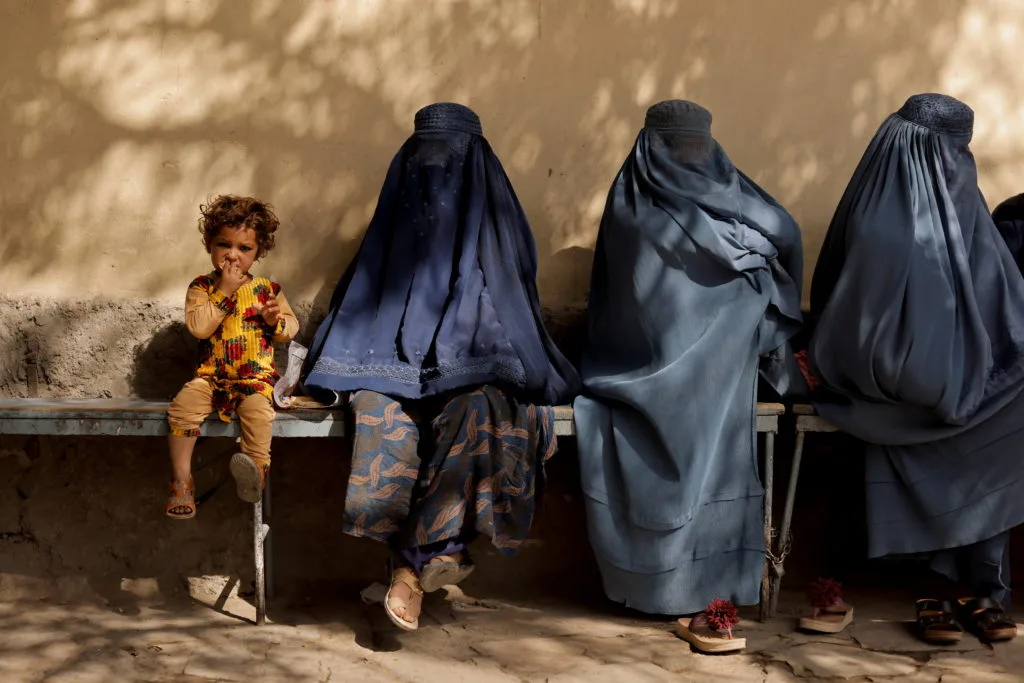
Today Afghanistan is one of the most dangerous places for women and children. The Afghan women are no longer able to call streets and classrooms their own and now even their homes are not safe. With their new policy on domestic violence, the Taliban have not merely overlooked the crisis, they have turned into a state enabled structure of the society. Domestic Violence in itself is a deeply entrenched social problem, and now under the Taliban it has been reinforced by the state, creating a system where abuse thrives.
It is something more than just a global policy failure. It is a part of a broader political project. This political project of the Taliban in Afghanistan aims towards systematically removing women and girls from public life and confine them to private spaces. Any well-read person understands that when a regime restricts education, employment and mobility, they try to seal every single exit possible for the oppressed. Now, these women are no longer safe in their own houses because the state does not care, unless you’re bleeding. The message is clear: There is nowhere to go.
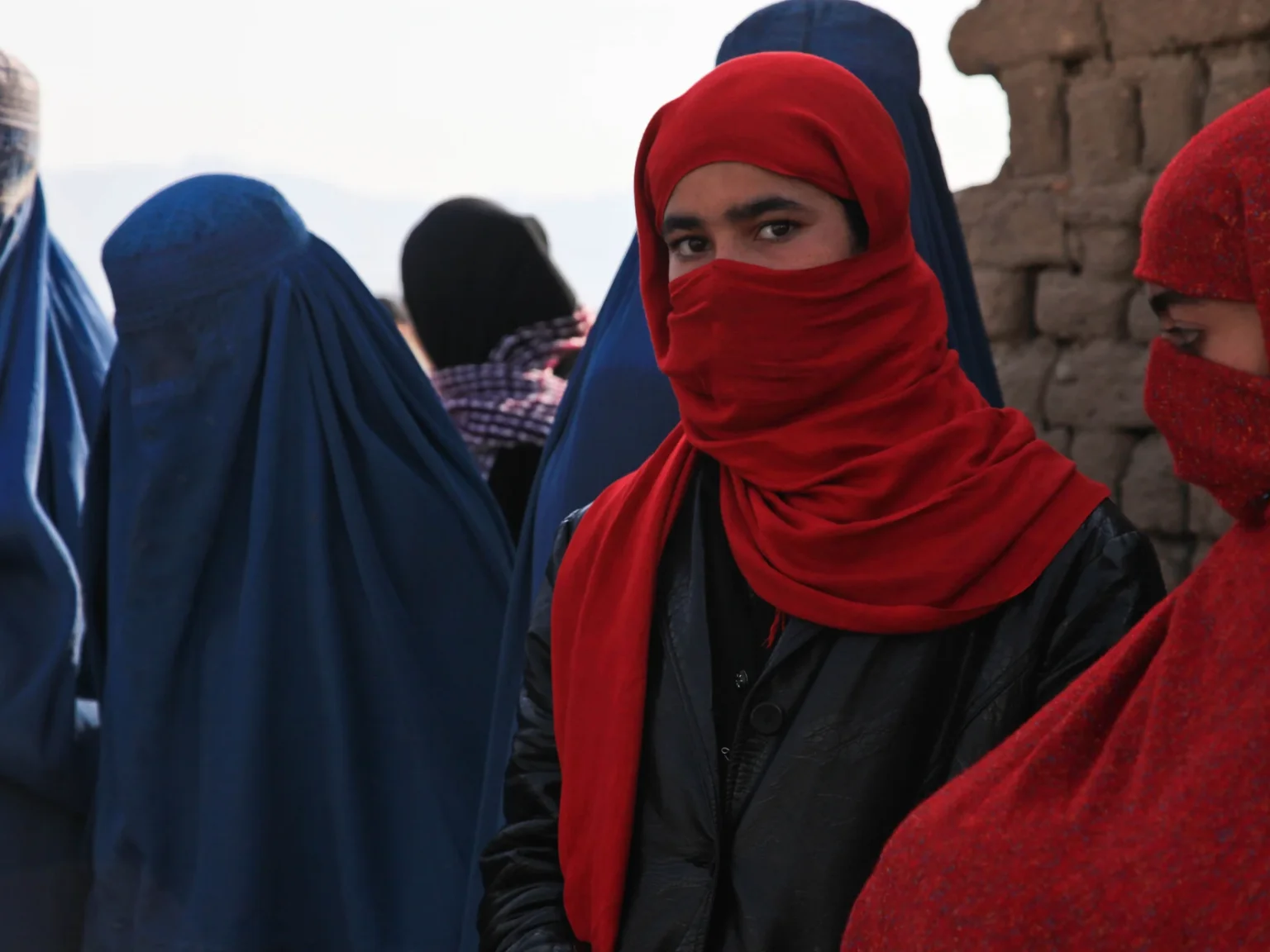
The Taliban presents its stance on domestic violence not as cruelty, but as discipline, and a religious duty. All these religious stances can never disguise reality. It is clear that when a state legitimises physical punishment within families, it is transforming abuse into a socially tolerated norm.
Legalising “discipline”: the new penal code in Afghanistan
Reports from Kabul indicate that the Supreme Leader, Hibatullah Akhundzada, introduced a legal framework that permits husbands and fathers to provide ‘disciplinary‘ punishment to wives and children, until there is no visible injury of broken bones or open wounds. The 90 page document, known as “De Mahakumu Jazaai Oslunama” has been cleared by Hibatullah Akhundzada, and is circulated across all the courts.
It is clear that this legal framing of domestic violence and protection to men is not accidental. The Taliban thinks that bruises that fade, slaps that sting, and the psychological terror that lingers children for years and years, do not qualify as serious offences. The implicit law tells that inflicting pain on women and children is permissible, as long as it does not leave evidence.
The Taliban thinks that bruises that fade, slaps that sting, and the psychological terror that lingers children for years and years, do not qualify as serious offences.
By reducing domestic violence to a matter of visible damage, the regime ignores decades of global research demonstrating that abuse is not solely defined by broken bones. Emotional manipulation, coercive control, financial deprivation, and repeated minor assaults create trauma that can be just as devastating as physical injury. It ignores the decades of global research that demonstrates that abuse is not merely broken bones, it is much more than that.
A more troubling news than the implementation of this discipline law is that the justice system is doomed as well. Women/Survivors seeking justice have to appear fully veiled and accompanied by a male guardian, often the abuser. In a real sense, this makes reporting crime nearly impossible. A system that requires permission from the abuser to seek protection is not justice but deception.
The erasure of women from public life
Ever since the Taliban have regained power in 2021, they are systematically dismantling the infrastructure that once allowed women to participate in the society. Girls have been shunned from secondary schools and universities. Women are excluded from employment. Mobility has been restricted. Therefore, domestic violence should not be examined in isolation, but in a broader political context.
Stripping women of their basic rights to education and income, increases their dependency on male counterparts. We know that a woman who is barred from all the basic human rights, has limited options if violence erupts at home. DV shelters have been shut down under the Taliban. Many independent women’s organisations have either dissolved or operate in secrecy.
DV shelters have been shut down under the Taliban. Many independent women’s organisations have either dissolved or operate in secrecy.
We know that the law wants witnesses. So when abuse thrives in a place like Afghanistan, where there are no witnesses, no advocates, no viable escape routes, this law becomes nothing but dangerous for women.
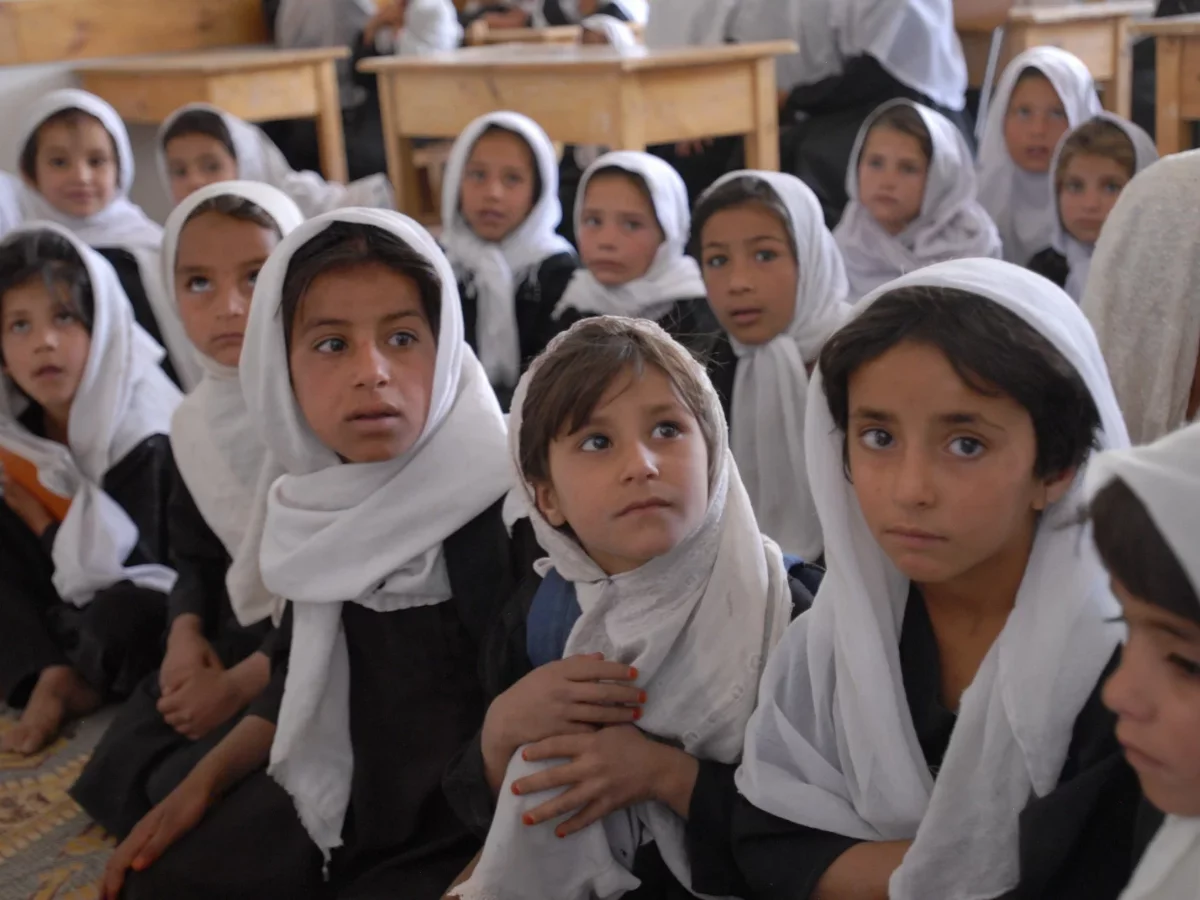
Children also face the brunt of this Taliban climate. In homes, where violence is normalised, young children learn about power and obedience. Boys will internatise dominance over girls, toxic masculinity will prevail, and young girls may learn that submission is the only survival. This cycle will perpetuate, generation after generation.
Mazhab nahi sikhata – apas mai bair rakhna
The Taliban justify their policies as religious interpretation. Yet, Muslim scholars across the world emphasise that compassion, mutual respect and justice are core religious principles. We know that the Taliban regime using religion as the basis for creating a hardline state is purelu dogmatic. The Taliban ideology is not about theology but about political authority. Controlling women’s bodies and homes is a means to assert this ideology.
A request for international questioning
Afghanistan’s trajectory is not just a women’s issue, it is a human rights crisis that calls for international questioning. International organisations have repeatedly explained that domestic violence is not private but a public emergency. UN Women has highlighted that GBV increases in environments where the legal system fails to provide protection.
We know that such patterns of discrimination and shrinking civic spaces have put Afghan women in this situation. These documents and reports of various organisations do not guarantee change, it is merely a source of information. Inside Afghanistan, fear silences the affected.
The diplomatic dilemma
The world faces a complicated question: how should it respond? Diplomatic isolation will affect the ordinary Afghans economically. Engaging with Afghanisation without calling out the Taliban policies, legitimises its oppressive attitude.
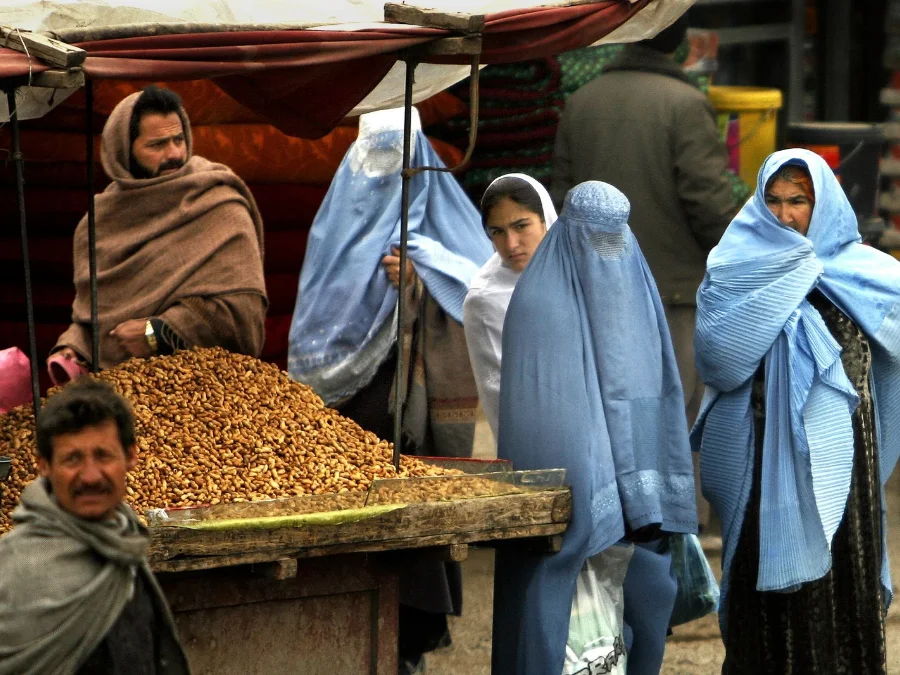
Some nations are trying to provide aid and improve women’s rights in Afghanistan. But when domestic violence is legally tolerated, any such aid seems null and void. We need a global voice, but it must avoid cultural stereotyping. Domestic Violence exists across the globe. The only difference is that Afghanistan reinforces it. Criticism should target policy and power structure, not Afghan culture or religion as a whole.
Futures at stake in Afghanistan
Afghanistan’s future depends not only on political stability but on the well-being of its families. A society cannot flourish when half its population lives in fear within their own homes. Nor can it prosper when children grow up witnessing normalised abuse. Afghanistan’s future depends not only on removing such a regime, but on the well-being of its people, especially women and children, under the oppressive Taliban regime.

Samriti Dhatwalia works as an Editorial Assistant at Delhi Press for the Woman’s Era Magazine. She holds a bachelors degree in Political Science and is currently pursuing Masters as well. She dreams of writing a book in the near future.