
Javed Akhtar Calls Trump And Netanyahu ‘Bullies’ After US-Israel Strike On Iran – Woman’s era Magazine
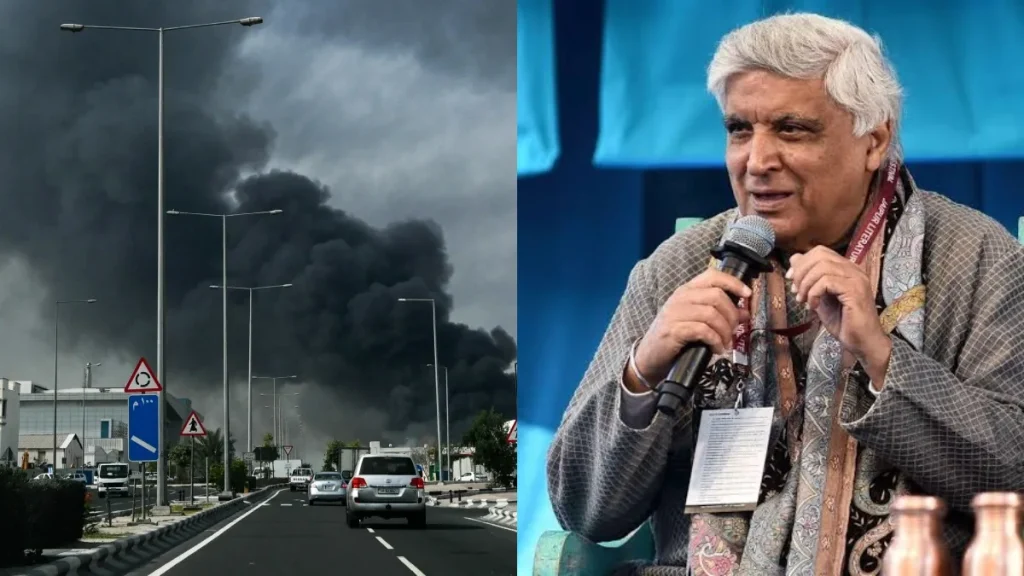
Veteran lyricist and screenwriter Javed Akhtar has voiced a strong reaction to a recent joint military attack on Iran by the United States and Israel, describing the leaders of those nations as having forced others into a corner through their actions. Akhtar’s comments were posted on his X (formerly Twitter) account, where he often shares opinions on political and social matters.
The current unrest in the Middle East intensified after coordinated strikes by the United States and Israel against Iran on February 28, which marked a significant escalation in the conflict in the region. Those strikes reportedly resulted in substantial military and leadership losses for Iran and triggered retaliatory actions. The fallout has reverberated across the Gulf, with explosions and emergency alerts reported in several nearby countries.

In his post on X, Akhtar wrote, “I think this time Trump and Israel have overplayed their hand because if they are allowed to get away with this audacity and do an Iraq to Iran, China will lose her total credibility in the world.” He added that “Netanyahu and Trump, like all the bullies, have pushed others to the wall and ultimately left no choice but to react in a decisive manner.”

By referencing the Iran conflict in the context of Iraq, Akhtar alluded to the earlier U.S.-led intervention in Iraq nearly two decades ago, which drew widespread global criticism and had long-term repercussions for regional stability. His choice of words reflects his view that repeating similar military dynamics with Iran could have consequences for global credibility and geopolitical balance.
Akhtar’s remarks highlight his concern that such confrontational foreign policy moves may leave affected nations with no perceived alternative but to respond forcefully. By using the term “bullies,” he underscored his belief that dominant world powers, in this case under the leadership of Donald Trump and Benjamin Netanyahu, were exerting pressure that could provoke further instability.

The backlash on his post was swift and varied. Some users on X suggested that the global community, including major powers like China, should intervene or respond in some way. Akhtar replied to one such comment by saying, “You and me don’t have to tell them anything. This is my guess. Let’s see what happens,” indicating that his statement was a personal assessment of the situation rather than a call to action.

The broader conflict itself has drawn widespread international concern. After the reported killing of Iran’s Supreme Leader, Ayatollah Ali Khamenei, during the strikes, tensions continued to escalate with counterattacks and rising diplomatic unease in the region. The situation has prompted responses from global leaders and impacted civilians in multiple countries.
Akhtar’s commentary comes amid a larger debate about the role of military power in international relations and the impact of such decisions on global peace and stability. Criticism of military interventions often focuses on the scale of civilian harm, the use of force without multilateral backing, and the long-term repercussions on regional politics. His remarks reflect one end of that debate, emphasizing caution and the potential fallout from aggressive foreign policy moves.

As global leaders, including those in the U.S. and Israel, maintain their current courses, reactions from cultural influencers like Akhtar illustrate how political events resonate beyond traditional policy circles and into public discourse. Such commentary from artists and intellectuals can shape how broader audiences perceive international conflicts and the conduct of world leaders on the global stage.
