
Luck Is Just A Grope Away: The Fetishisation Of The Bronze Body And The Haptic Violation Of Gendered Art
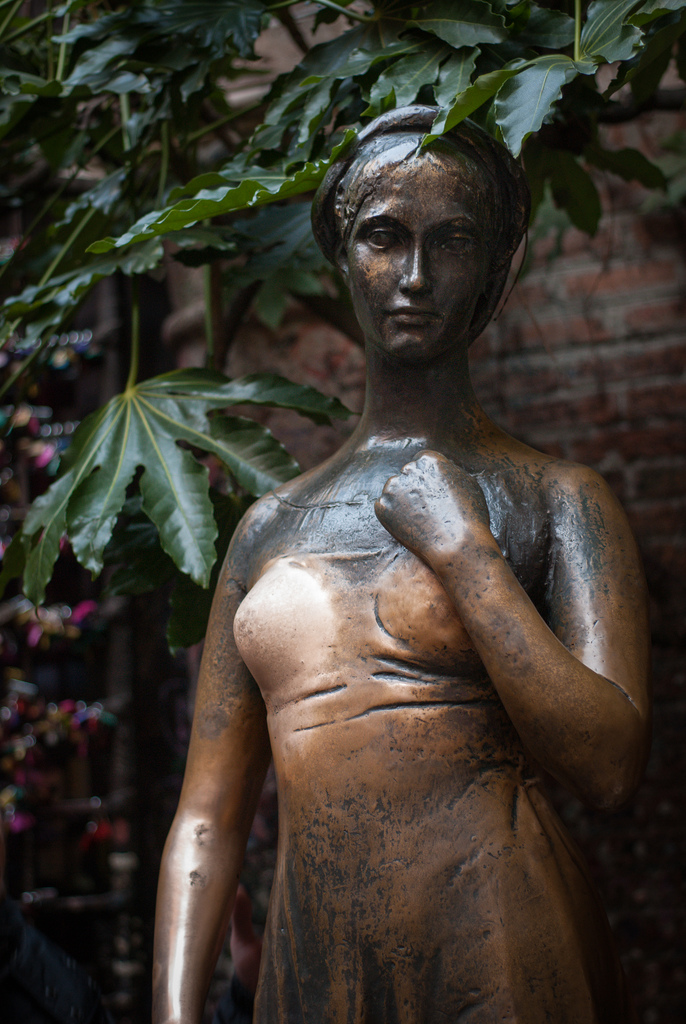
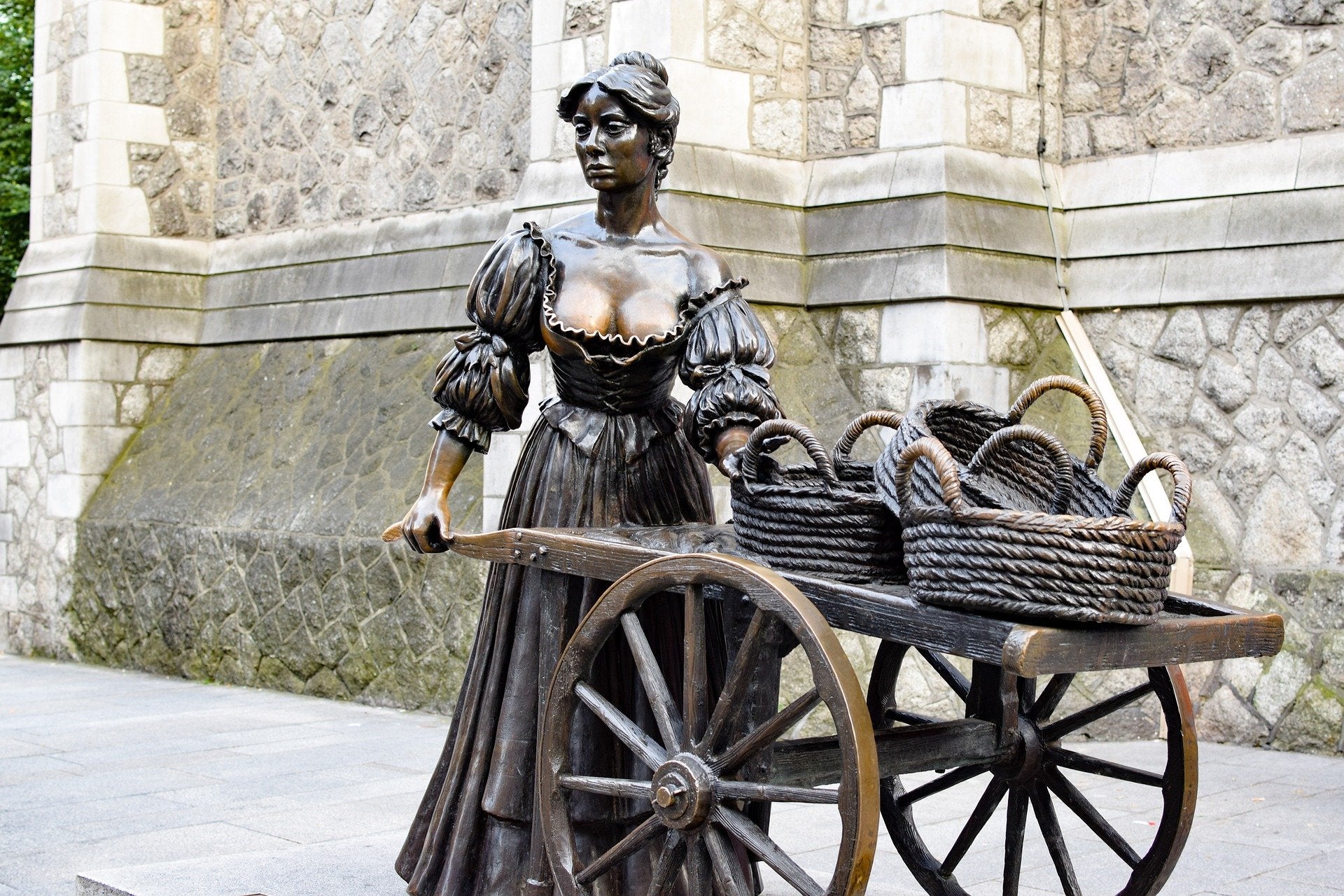
Every year, millions of “well-meaning” tourists board flights to participate in an extremely bizarre and horrifying ritual of public indecency. They call it tradition or belief; but it should be called a haptic violation of gendered art. From the thirteen-year-old Juliet in Verona to Dublin’s Molly Malone, scandalously nicknamed “The Tart with the Cart”, the female body in art is treated as a public utility where a grope is the price to test your “luck in love”.
We have normalised the literal erosion of a statue’s private parts in the name of tourism. It is embarrassing to witness a world that still believes that the fictional fairy-tale of rubbing a lamp to have a genie grant their wishes is true, except here, the lamp has been replaced by the breasts and crotches of bronze statues. Even in the 21st century, we are treating human likenesses as vending machines for our superstitions and sexual desires.
When bronze bodies become wishing wells
The staggering irony in today’s society is that people will travel across oceans and continents to violate a bronze body for “good fortune,” yet fail to respect the physical boundaries of a living woman. Shakespeare never in his accounts suggested that assaulting the statue of a thirteen-year-old Juliet, who herself met a tragic end before she could truly live, will somehow grant a tourist their own “happily ever after.”
The origins of these rituals are rarely rooted in ancient folklore or historical fact; instead, they are almost exclusively “invented traditions”. These modern myths are created to drive tourism and satiate the obscene and concupiscent desires under the veil of “good luck.”
These modern myths are created to drive tourism and satiate the obscene and concupiscent desires under the veil of “good luck.”
As an example, the myth claiming that rubbing the breast of Juliet will grant someone luck in love never existed in the history of Verona. It came about towards the end of the 20th century when tourists started posing with each other as a way of copying each other in pictures, which the city later capitalised on.
To get an insight on how deep this entitlement is, we need to examine how these actions transcend past the female body. In the Père Lachaise Cemetery in Paris, the “fertility-granting” crotch of the Victor Noir statue has been rubbed so frequently that the bronze is polished to a high sheen. On the same note, the story of the fertility rites of Victor Noir’s grave in Paris was started by the tour guides of the 1970s and urban legends, and not by any belief in the 19th century. These actions are no longer about honouring spirits but rather about a mental process in which human beings are now encouraged to violate any and every boundary. By dressing up a grope as a “myth,” we provide a socially acceptable cover for what is, in reality, the degradation of the human form to satisfy a selfish impulse.
When laws protect monuments but profit from their violation
Moreover, there is the legal hypocrisy that is deafening. The Eco-vandalism bill of 2024 in Italy, provides a maximum fine of EUR 60,000 on the acts of defaming cultural heritage. In France, the offense of indecent conduct in urban areas is safeguarded by the phrase ‘outrage aux bonnes moeurs‘ (offence to public decency) in a technical manner.
Yet, when it comes to the Juliet statue or the tomb of Victor Noir, these laws are effectively ignored to boost tourism. Verona recently even introduced a €12 entry fee just to access the courtyard. By monetising the erosion of these statues, the state becomes a pimp for its own monuments. Laws are discarded to boost revenue, signalling that the violation of a body is a small price to pay for a boost in the local economy.
The Kamakhya paradox: when we worship and violate the same body
For an Indian audience, the irony is even more hard-hitting. We exist in a world where the female form is literally worshipped at the Kamakhya Temple. The sacredness of menstruation, the body and biology of a woman and the power of the goddess are considered holy and yet the same people participate in sexualised “traditions” that reduce women to objects of luck as part of their dreamy Europe trip.
What is going to happen to the culture which pays deference to the Divine Feminine, and, at the same time, considers it justifiable to rub the breasts of a statue till they are raw? This shows that even the respect we have towards the female body is not absolute. We venerate it when it is a bare goddess, whereas we commit violence against it, when it is a statue or a woman in an urban, dense crowd.
What happens when we teach that consent doesn’t apply to bronze?
When the physical decline of a memorial is made light of in a casual manner, how will we ever have a culture which holds a sentiment of respect towards the living? By letting such actions pass without corrections, we are conditioning people to think that the bodies in the limelight are being given to the streets, without their consent and permission.
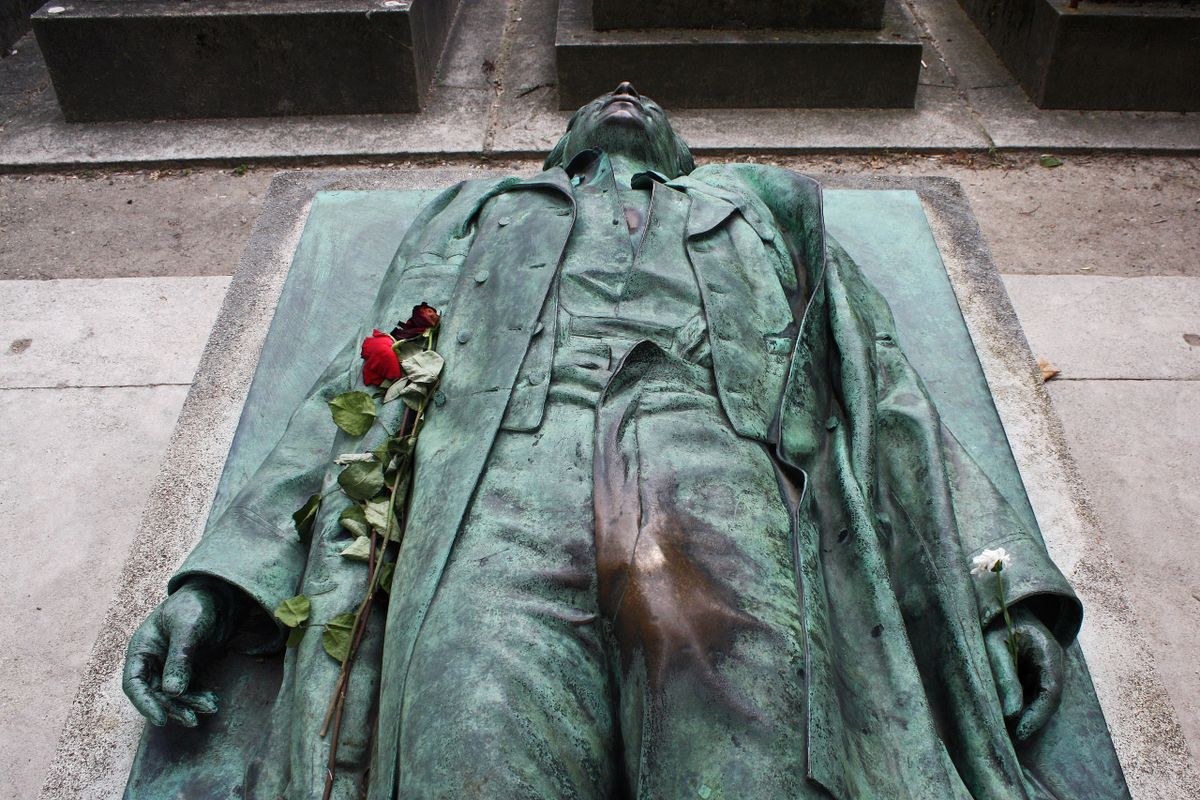
We deny the subject its humanity and make a lucky charm out of a memorial, stating that once a body is introduced into the square of the population, it stops being its own, and is a part of the crowd. Whether it is the “fertility-granting” crotch of Victor Noir or the breasts of Juliet, we are witnessing the same rot. It is time we understand that we cannot advocate against gender-based violence on the same streets where we act it out to check off a task from our travel bucket-list.
It is time we understand that we cannot advocate against gender-based violence on the same streets where we act it out to check off a task from our travel bucket-list.
Respect is not a selective trait that can be switched off for a vacation photo. As long as we turn art into a fetishised object, the good fortune that we pursue, will be constructed upon a basis of violation. We should make up our minds about which one we consider more valuable: a smooth working piece of metal or the virtue of the human form. If we want a world where living bodies are safe, we must start by examining why we think “luck” is something that can be squeezed out of a non-consenting breast. If we want to protect the living, we must start by taking our uninvited hands off the ones made of bronze.