
What The 2026 UGC Regulations Revealed About Caste, Merit and Savarna Victimhood
Almost 10 years after the death of Rohith Vemula, the University Grants Commission (UGC), on 13th January, issued the University Grants Commission (Promotion of Equity in Higher Education Institutions) Regulations, 2026. Although set to combat all forms of discrimination and promote equity in institutions of higher education, the regulations were met with tremendous opposition from upper-caste Hindus, who decried that they had been unfairly targeted.
In the official notice published in The Gazette of India, the objective of the 2026 regulations is stated as:
‘To eradicate discrimination only on the basis of religion, race, gender, place of birth, caste, or disability, particularly against the members of scheduled castes and scheduled tribes, socially and educationally backward classes, economically weaker sections, persons with disabilities, or any of them, and to promote full equity and inclusion amongst the stakeholders in higher education institutions.’
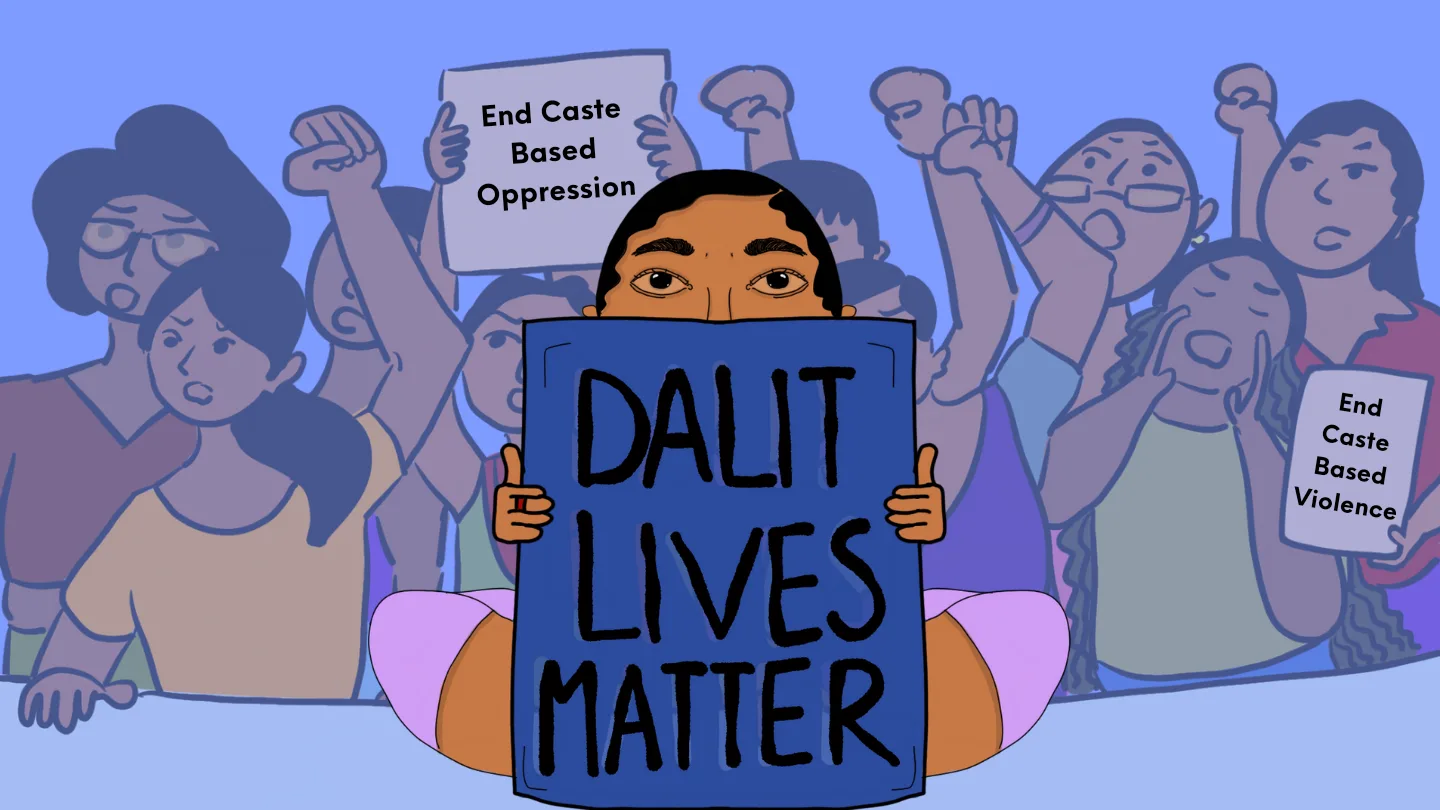
It calls for the establishment of Equal Opportunity Centres (EOCs) in all colleges and universities to oversee the effective implementation of its policies. An Equity Committee under the EOC will deal with handling complaints of discrimination against disadvantaged groups.
The UGC regulations were supposed to come into force from the very date of their publication in the Gazette. However, on 26th January, the Supreme Court put the regulations on hold. A bench including Chief Justice of India Surya Kant and Justice Joymalya Bagchi remarked that the regulations would ‘lead to dangerous consequences, divide society and have a serious impact.‘
A bench including Chief Justice of India Surya Kant and Justice Joymalya Bagchi remarked that the regulations would ‘lead to dangerous consequences, divide society and have a serious impact.‘
The Supreme Court cited concerns over the language and scope of the regulations being vague and therefore, open to misinterpretation and misuse. Their concerns and consequent decision is no doubt a result of the widespread protests that have erupted all over the country against the regulations, both on social media and on the streets.
The question of “merit”: caste-based discrimination in higher educational institutions
Colleges and universities have long been a fertile ground for the propagation of casteist rhetoric and discrimination. Reservation in these institutions, meant to alleviate long oppressed sections of society through affirmative action, are often seen as a “shortcut” or an “easy way out”. Savarna students justify their discriminatory behaviour through arguments about “merit”. Reservation, for them, becomes an attack against their own dominant caste identity, and a narrative of denying savarnas seats that they rightly “deserve” is built. Mocking students from reserved categories as “undeserving” becomes the norm, perpetuating more blatant caste discrimination under the guise of meritocracy.
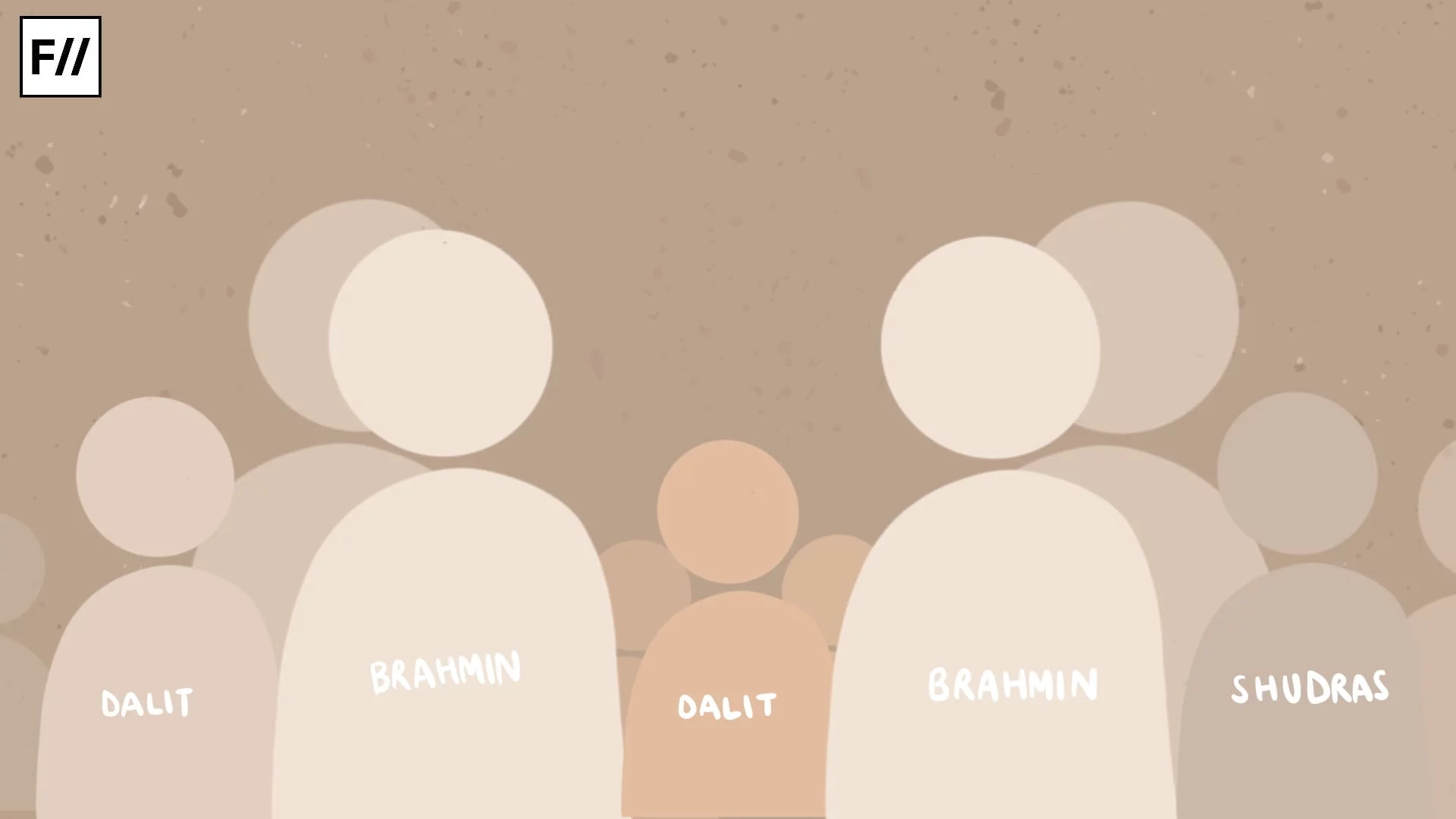
Interestingly, savarnas often express their support of reservation for Economically Weaker Sections (EWS), stating that reservations should be made along the lines of class and not caste. The fact that class and caste are practically inextricable in India’s society is usually refuted by providing examples of one or two “rich Dalits” that these savarnas claim to know in their personal lives. And even for the “rich Dalits” who always seem to be the subject of such dialogue, does economic capital erase the centuries of social stigma that comes with their Dalit identity? Does economic capital make up for the sociocultural capital that can only come by virtue of being savarna?
When Dalits do manage to climb into economic security and success, aided by affirmative action, that success is used to criticise the very system of affirmative action. Reservation is tagged as casteism against savarnas, punishing them for the crimes of their ancestors. The same savarnas do not see any issue with caste pride.
Savarnas taking to the streets to protest affirmative action, is of course nothing new. When the Mandal Commission’s recommendations for reservation in government jobs were implemented in 1990, violence broke out all over the country- bandhs, hartals, dharnas and even self immolations and suicides.
When the Mandal Commission’s recommendations for reservation in government jobs were implemented in 1990, violence broke out all over the country- bandhs, hartals, dharnas and even self immolations and suicides.
If the steps taken to right historical injustice are seen as detrimental to a group of people, they must be the very same people whom such injustice has benefitted so far.
From the societal to the personal: the myth of false complaints and petty revenge around the UGC regulations
UGC’s 2026 regulations were a replacement for as well as an update upon the previous framework which had been in place since 2012. The 2012 regulations were the first formal framework to combat caste based discrimination in the country’s higher educational institutions. Yet, Rohith Vemula died in 2016. Payal Tadvi passed away in 2019. 7 Dalit students died by suicide just in the window of nine months in 2023. And these are just a few of the cases that made it to the news.
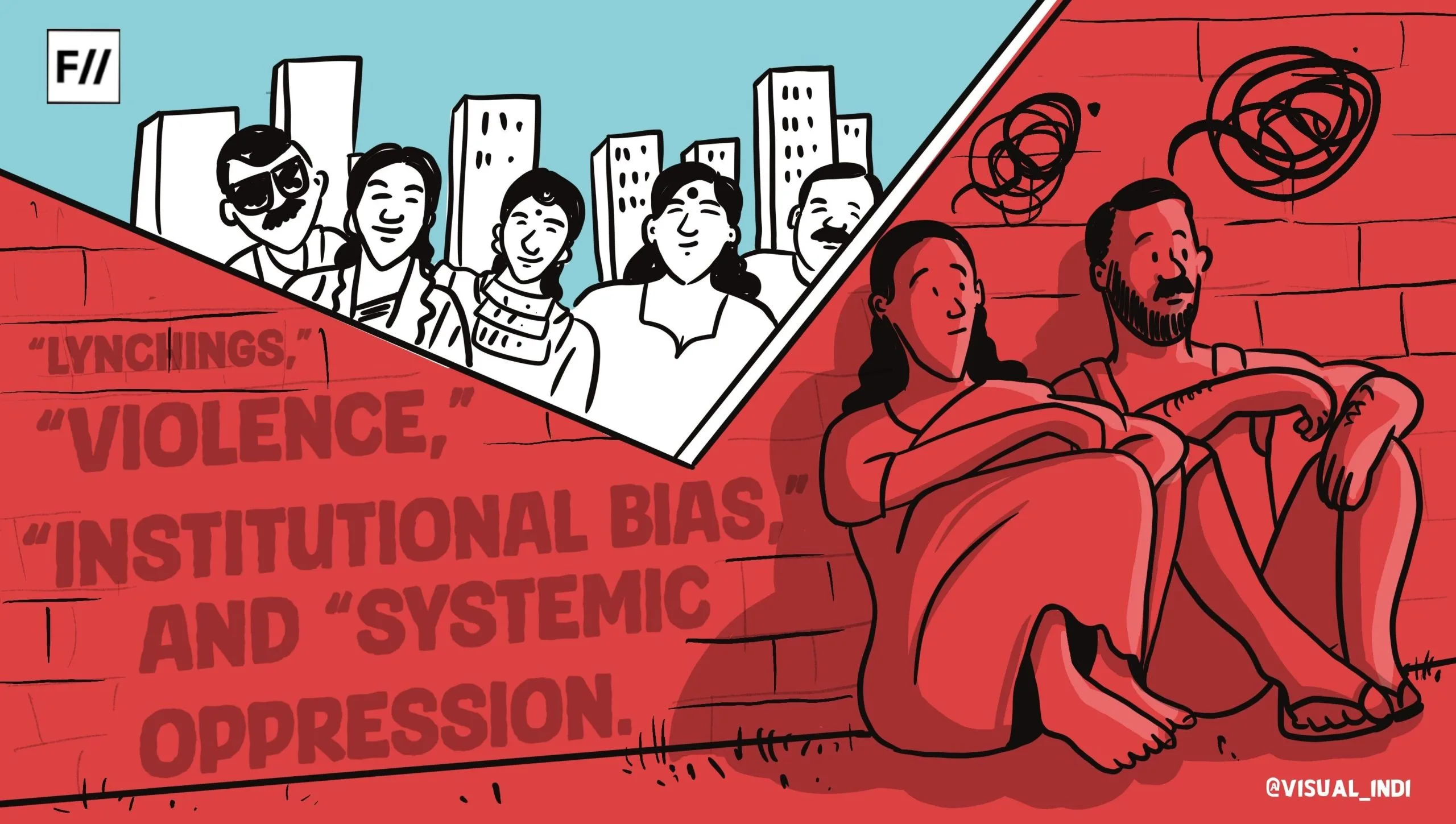
An update on the 2012 regulations had been long due. A draft of the revisions to be made to them had been released to the public for feedback last year. They drew criticism on mainly two tenets. First, they excluded Other Backward Classes (OBCs) from the compass of caste-based discrimination, keeping only Scheduled Castes (SCs) and Scheduled Tribes (STs) in their purview. Second, they suggested, though not explicitly, the penalisation of “false complaints”. Both of these issues were amended in the final version that was put out by the UGC.
There were no provisions to deal with false complaints in the 2012 regulations either. The new wave of protests that have broken out over the 2026 regulations have the narrative of false complaints at the forefront. The narrative of victimisation of the upper castes is carried forth through this fearmongering of false complaints that might ruin the lives of innocent students who were just unfortunate enough to be born into caste privilege, and thus suspect to be perpetrators of caste-based discrimination.
It is very easy to parallel this portrayal with the war cry of Men’s Rights Activists— false cases. When laws are made to protect women, men declare that they will be misused for petty revenge. When regulations are passed to combat caste-based discrimination, savarnas— in the same vein— shout that they will be misused for petty revenge. These tall tales of false cases and revenge drag these remedial measures from the realm of the societal and historical to the personal, diminishing the very real and systemic violence that women and Dalits face.
These tall tales of false cases and revenge drag these remedial measures from the realm of the societal and historical to the personal, diminishing the very real and systemic violence that women and Dalits face.
The upper caste savarna male, forever at the top of the sociopolitical hierarchy, threatened by the fact that systems that keep him there might collapse, tries to paint himself a victim in order to maintain the status quo. Thus begins the scaremongering about false complaints and cases, insisting upon the savarna male’s innocence and powerlessness and in turn villainising the oppressed. The Supreme Court bench’s statement makes it clear who they deem the victim of the UGC’s 2026 regulations:
‘[W]e are of the view that the language of the regulations is vague and needs to be examined by experts so that it can be appropriately modulated and not misused‘
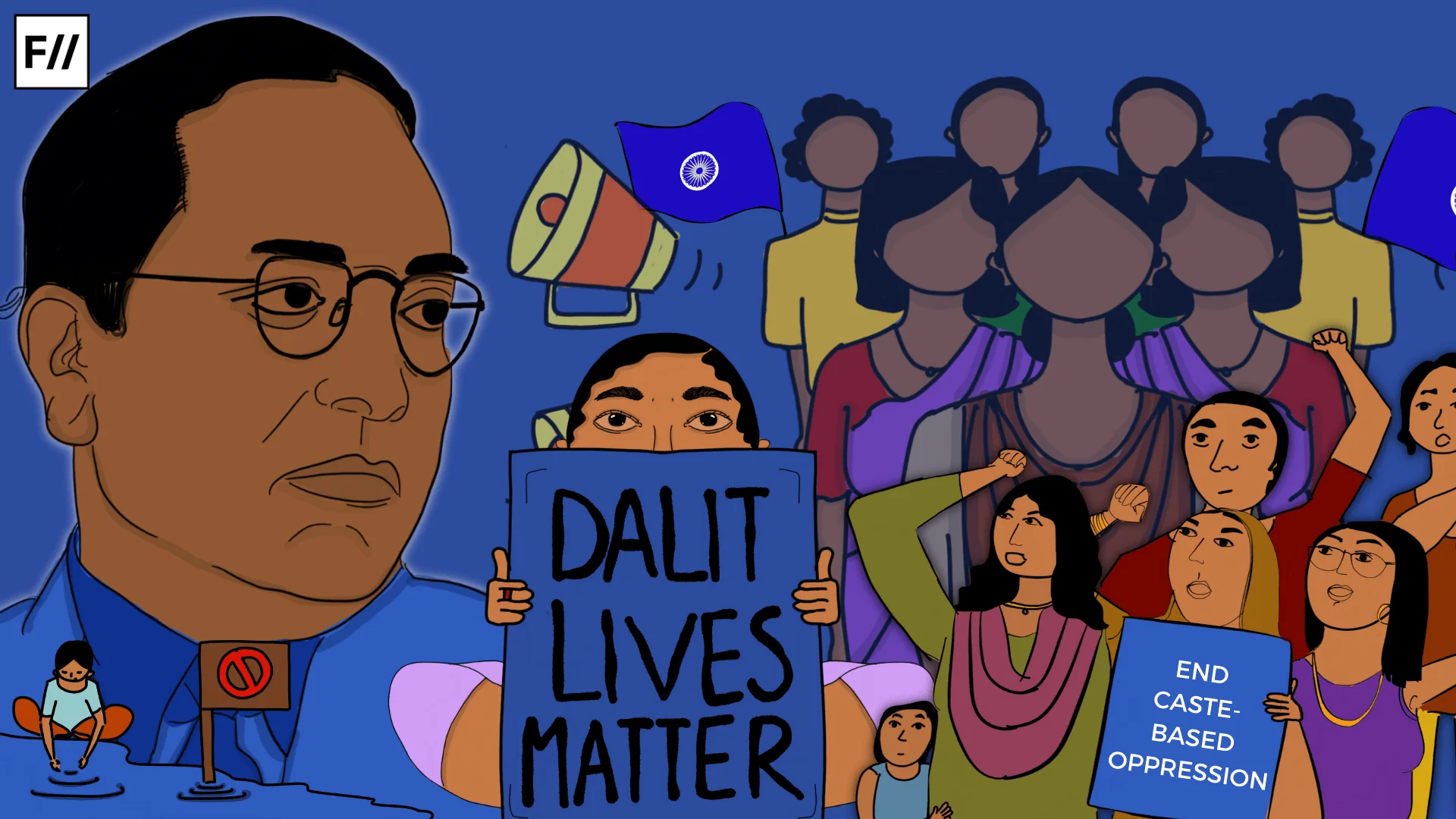
Their remark that the regulations might “divide society” are a stark reminder of how those in privilege view the world around them. The fractures already exist, and they have been put in place to sustain those at the top of the food chain. Any ripples might topple this manufactured social order that they have retained for centuries by trampling those at the bottom. The decision to halt the regulations is just another attempt at denying basic dignity to Dalits and keeping the caste system in place.