
Israel-Iran War And Local Consequences: Kashmir Under Restrictions Again
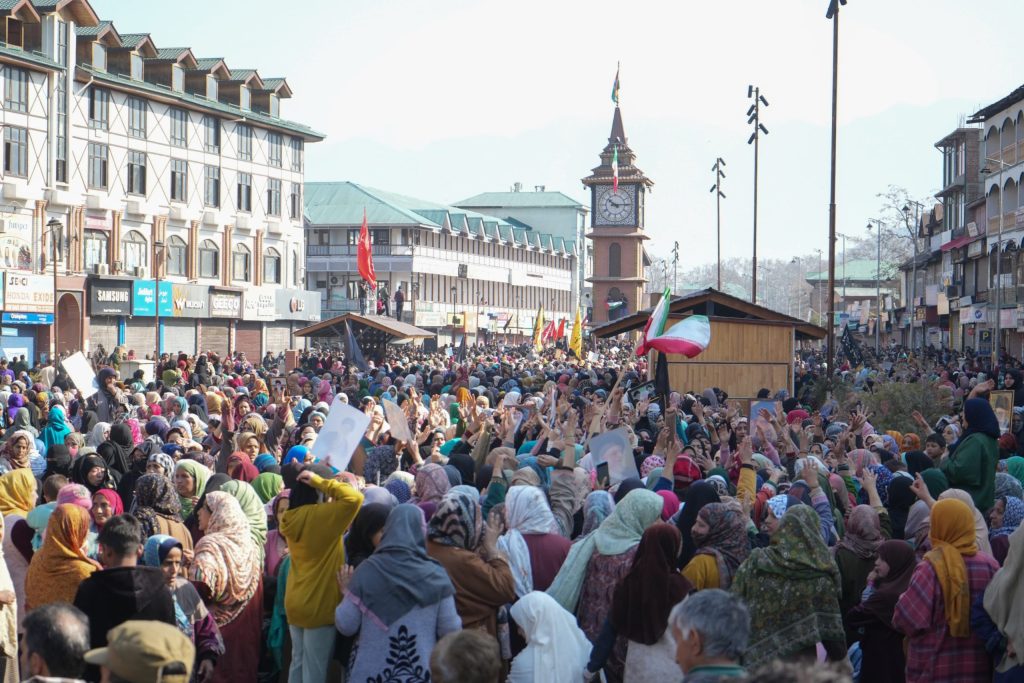
Srinagar, Jammu and Kashmir: Following the recent US-Israel war against Iran and air strikes on Iran’s capital, Tehran, on 28th February, authorities across parts of Kashmir imposed precautionary restrictions, slowing internet services, closing educational institutions, and increasing security presence in sensitive areas. While officials described the measures as necessary for maintaining public order, residents say the impact has once again been felt most sharply in daily life, from classrooms to marketplaces.
In the following days, Internet services in several areas were reduced to 2G speed, schools and colleges were ordered shut, and additional security deployments were visible across Srinagar and other districts. Public movement in certain areas was affected due to road blockades and barricading.
Schools Were Closed Till March 7
Jammu and Kashmir Education Minister Sakina Itoo said the closure of institutions was a precautionary step.
“In order to ensure the safety of the students, the government has decided to close all the educational institutions till Sunday. We have decided to keep schools, colleges and universities closed till 7th March,” Itoo said. The minister added that authorities are closely monitoring the situation and that reopening will be decided only after assessing ground conditions.
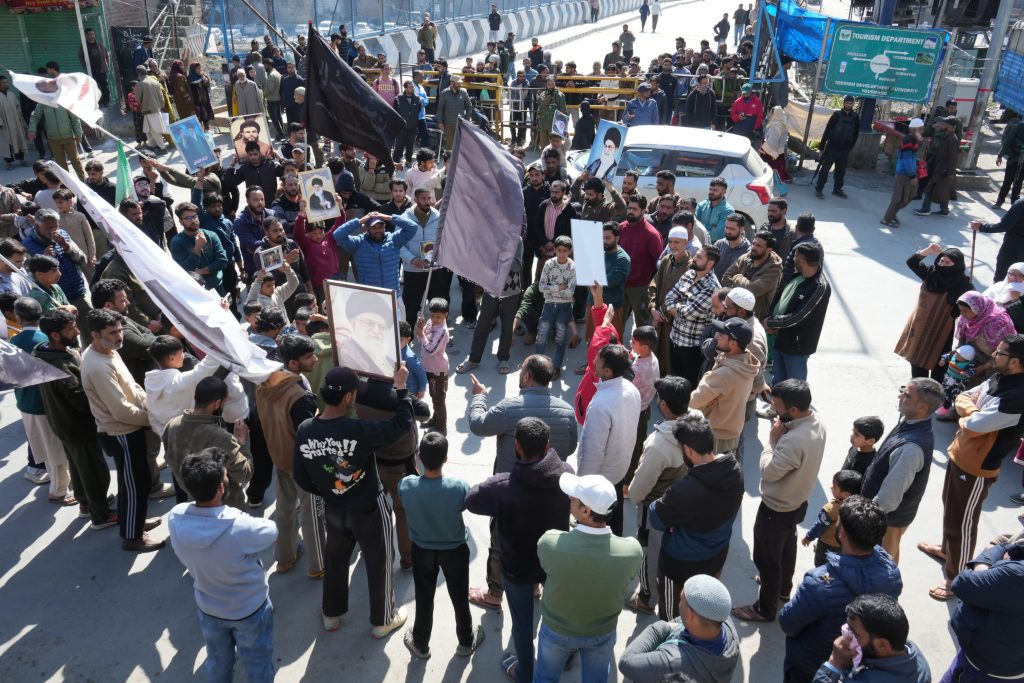
The order came shortly after schools and colleges were preparing to reopen following the winter break, leaving many students uncertain about their academic schedules. Several examinations scheduled for these dates have also been postponed.
Students Say Academic Rhythm Disrupted
For many students, the sudden shift has disrupted carefully planned study routines.
“I do not understand why they shut down the internet here when something happens somewhere else,” said Zubair Lone, 28, from Baramulla, who is preparing for state-level competitive examinations. This breaks my rhythm. I missed three paid online lectures in the past two days. It becomes very hard to restart once your schedule is disturbed.
“I do not understand why they shut down the internet here when something happens somewhere else,” said Zubair Lone, 28, from Baramulla, who is preparing for state-level competitive examinations.
He added that access to stable high-speed internet has become essential for competitive exam preparation. “We depend on online test series, video lectures, and study material. When internet speed drops to 2G, even downloading a PDF becomes difficult. It creates stress because every day matters in competitive exams,” he said.
Ubaid Ahmad, 26, a final-semester master’s student at the University of Kashmir, said he had been looking forward to resuming classes after the winter break.
“Our career is always at stake,” he said. Whenever something like this happens, the internet slows, institutions close, and our education gets impacted. Students in other states continue their studies normally, but here uncertainty becomes routine. He added that repeated disruptions create long-term anxiety. “You start planning your semester, and suddenly everything pauses. It feels like we are always trying to catch up,” he said.
Road Blockades and Daily Commuters
Apart from internet restrictions and institutional closures, road blockades also affected daily movement in parts of Srinagar.
Because the roads were blocked with barbed wire and barricades by security forces as a precautionary measure, a journey that usually takes me just 20 minutes from Habak Hazratbal to Parimpora in Srinagar turned into a one-hour ordeal, said Owais Ahmad, a resident of Hazratbal.
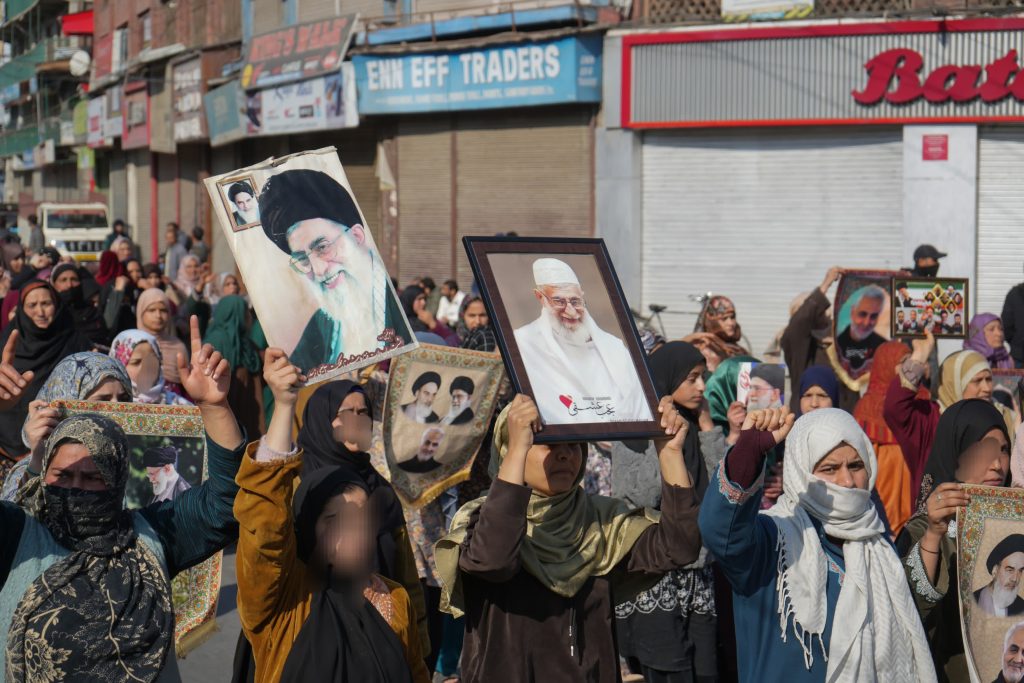
“The main roads were closed, particularly in areas where protests and stone-pelting were reported. I had to take longer link roads, covering nearly 25 kilometres instead of the usual 10,” he added.
Ahmad said the unexpected detours caused delays and confusion. “There were no clear directions at some junctions, and many commuters were forced to turn back. People were anxious because nobody knew how long the restrictions would continue,” he said. He added that such disruptions affect working professionals and small traders the most. “When movement is restricted, businesses slow down and daily routines collapse,” he said.
Economic Losses During Ramadan
Small traders and daily wage earners say they are already feeling the economic impact, particularly as Ramadan continues. Adil Ahmad, 36, from Srinagar, a fruit seller operating near Lal Chowk in Srinagar, said he has faced losses due to reduced public movement.
“I earn my bread from this shop. For the past two days, I have not sold any fruit, and some of it has started to spoil,” he said. During Ramadan, people usually buy more fruits, but restrictions have reduced footfall. He added that small vendors operate on thin margins. “We do not have savings to absorb repeated losses. Even two or three days of closure affects our monthly income,” he said.
Junaid Ahmad Bhat, 24, who runs an online thrift clothing store, said the internet slowdown has directly affected his sales.
“Earlier I earned around Rs 1,500 to Rs 2,000 per day. Over these two days, I have not sold a single piece,” he said. In some areas the internet works at 2G speed, and in some areas there is no connectivity at all.
He said social media promotion is essential for his business. “Customers place orders through the website and Instagram. When connectivity drops, messages don’t load properly and payments get delayed,” he said.
Freelancers and Digital Dependence
Freelance journalist Sajid Raina said internet disruptions also affect independent professionals.
“When the internet slows, communication with editors becomes difficult. Interviews get delayed, fact-checking becomes harder, and deadlines are missed,” he said. Payments are also processed digitally, so income is directly linked to connectivity.
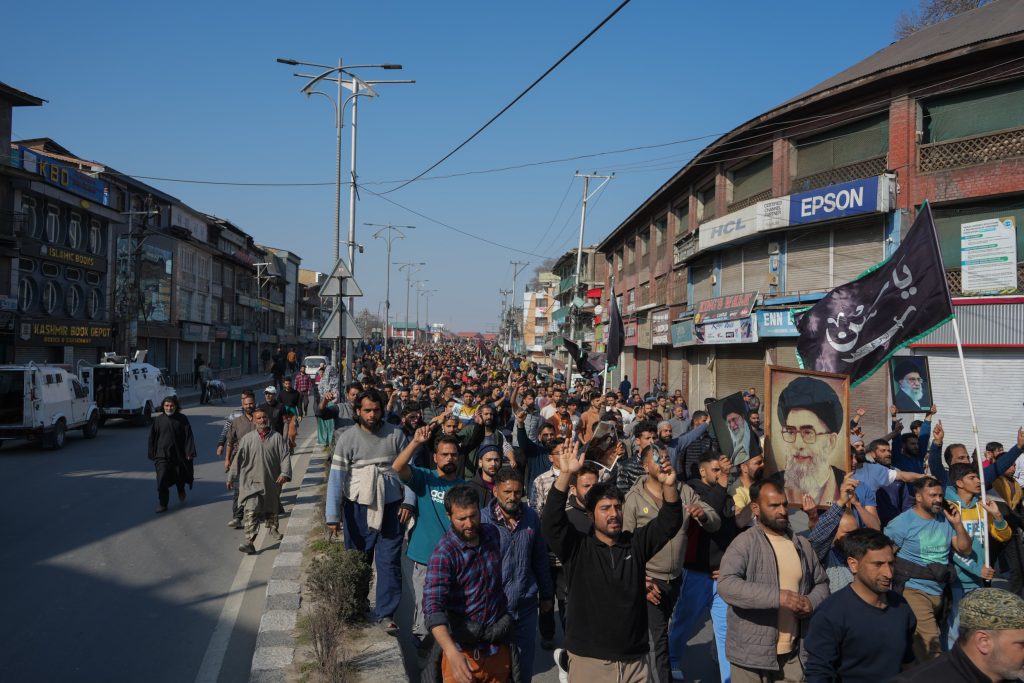
He added that in a region where many youth rely on remote work, stable internet is critical. “Connectivity is our lifeline. When it slows down, it feels like being cut off from opportunity,” he said. The closure of Lal Chowk’s Ghanta Ghar during peaceful mourning gatherings drew political reaction. Member of Parliament Aga Syed Ruhullah Mehdi said, “The closure of Ghanta Ghar is a disgrace. Do not insult us by treating our grief as a law and order problem. Do not interfere in what are deeply emotional moments for the people of Kashmir.”
His remarks reflect concerns among sections of the public that peaceful expression is often viewed through a security lens. Meanwhile, Srinagar Police said it has registered cases booked regarding the circulation of misleading content online. In a statement, police said that acting on credible inputs about the circulation of false, fabricated and misleading content across digital and social media platforms allegedly intended to create fear and disturb public order cases were registered against Aga Syed Ruhullah Mehdi and Junaid Azim Mattu.
According to the statement, the content in question, prima facie reflects dissemination of distorted narratives and unverified information capable of causing public unrest and societal disharmony. Police said FIR No. 02/2026 and FIR No. 03/2026 have been registered under Sections 197(1)(d) and 353(1)(b) of the Bharatiya Nyaya Sanhita (BNS) at Cyber Police Station, Srinagar. Investigations are underway.
Srinagar Police reiterates its firm commitment to maintaining public peace and law & order. Citizens are advised to verify information through official and credible sources before sharing content online and to refrain from circulating unverified material that may disturb communal harmony, the statement said.
Residents say that whenever major global events unfold, precautionary restrictions are implemented quickly in Kashmir. While authorities maintain that such measures are necessary to maintain stability, many locals say repeated disruptions create long-term uncertainty.
In an increasingly digital economy, access to stable internet plays a central role in education, employment, healthcare and communication. When services slow or institutions close, daily routines are affected. For students, traders, freelancers and commuters alike, the impact is immediate missed classes, delayed work, reduced earnings and longer travel times. As authorities continue to monitor the situation, many residents say they hope for a swift return to normalcy and greater stability in the days ahead.