
‘We Are Not After Kerala’: Producer Responds To ‘Communal Agenda’ Row Around The Kerala Story 2 – Woman’s era Magazine
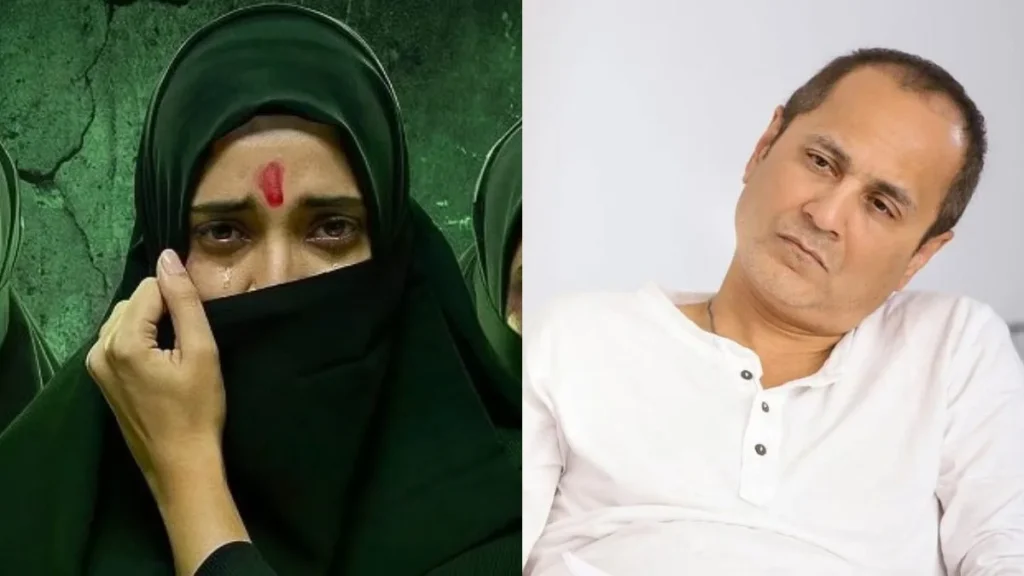
Producer Vipul Amrutlal Shah has responded to mounting backlash surrounding his upcoming film The Kerala Story 2, addressing accusations that the project carries a communal agenda. The filmmaker clarified that the movie is not intended to target any particular region or community, amid ongoing criticism and political debate linked to the film’s teaser and promotional material.
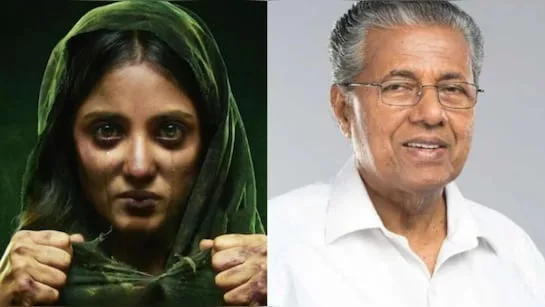
The controversy intensified after critics and political voices alleged that the sequel could promote divisive narratives similar to those debated during the release of the first instalment. The earlier film generated significant public and political discussion across India, particularly regarding its depiction of religious conversion and radicalisation themes. With the sequel now under scrutiny even before release, Shah chose to publicly clarify the intent behind the project.
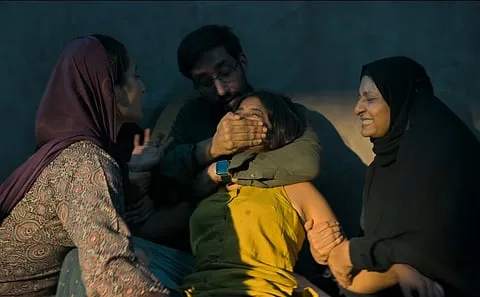
Addressing the criticism, Shah said that the makers were not “after Kerala,” countering claims that the film singles out the southern state or portrays it negatively. He emphasised that the narrative should be viewed as a fictional cinematic exploration rather than a political or ideological statement. According to the producer, the team’s aim is storytelling rather than targeting any specific community or pushing a particular agenda.
The filmmaker also highlighted that controversies surrounding films often emerge from partial glimpses such as teasers or short promotional clips, which may not reflect the broader context of the story. He urged audiences to watch the full film before forming conclusions, suggesting that misinterpretation frequently occurs when viewers judge projects without experiencing the complete narrative.
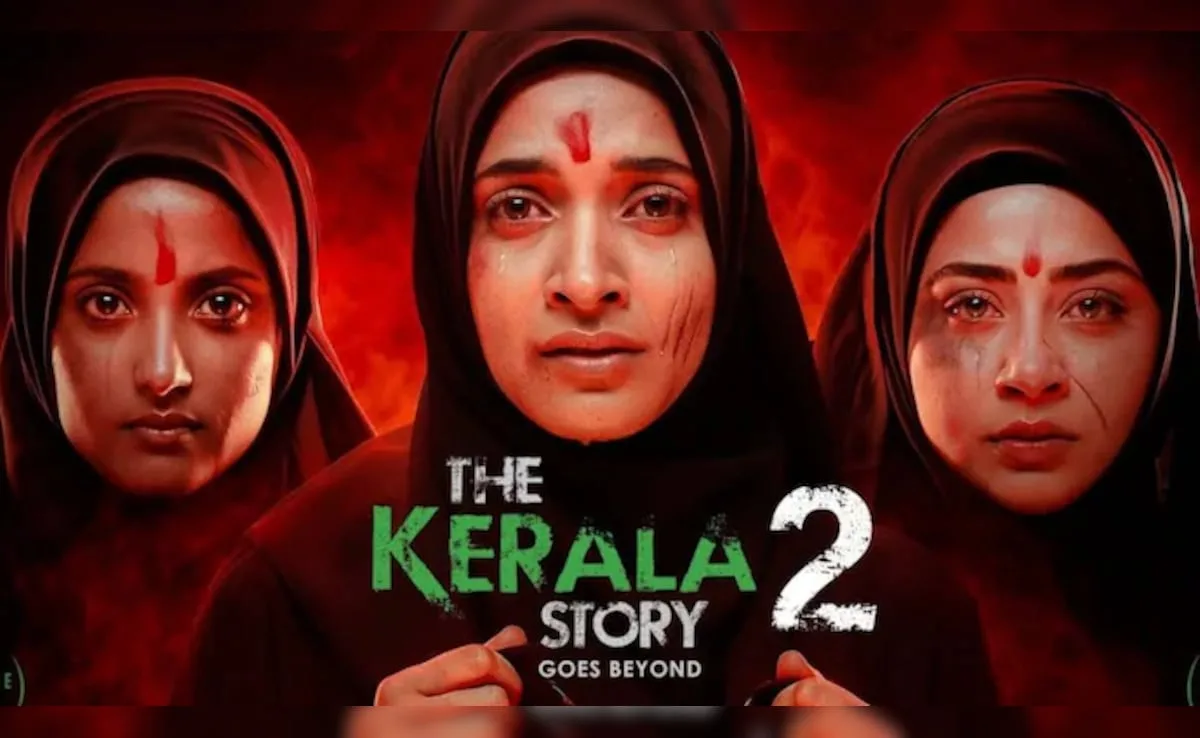
The sequel, titled The Kerala Story 2: Goes Beyond, is directed by Kamakhya Narayan Singh and features a new cast led by Ulka Gupta, Aditi Bhatia and Aishwarya Ojha. The film has already secured a U/A certification from the Central Board of Film Certification and is preparing for theatrical release, though its promotional campaign has been overshadowed by controversy and ongoing discussions about artistic freedom and political sensitivities.
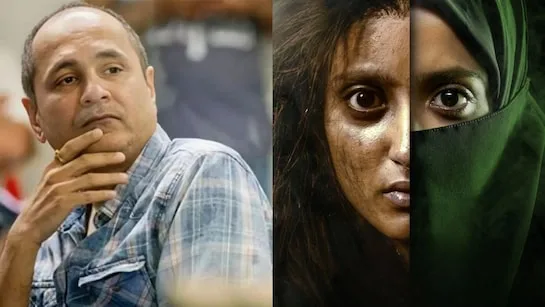
Critics have argued that the film risks reinforcing polarised viewpoints, while supporters claim that filmmakers have the right to explore difficult subjects through cinema. The debate reflects a broader pattern within the Indian film industry where politically sensitive stories often trigger strong reactions even before audiences have watched the finished product.
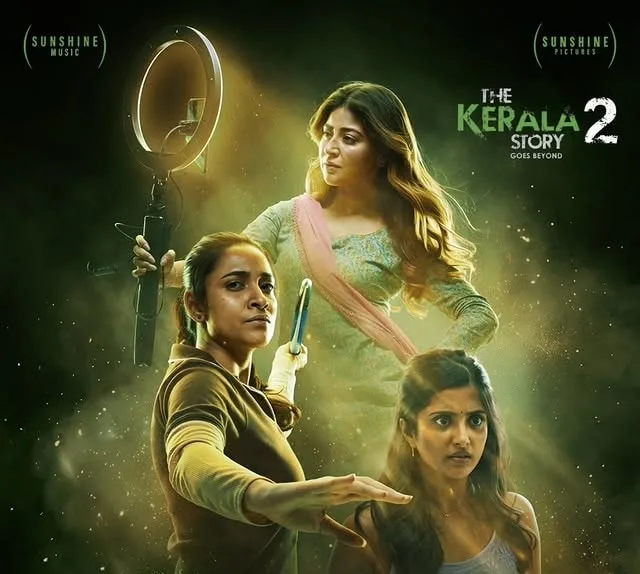
Shah’s clarification comes at a time when filmmakers across the country face increasing scrutiny from political groups, activists and online communities. With social media amplifying public reactions, controversies surrounding film narratives frequently escalate quickly, leading to legal challenges, calls for censorship or demands for clarification from creators.

Industry observers note that discussions around films dealing with religion, politics or identity tend to become especially intense due to India’s diverse cultural landscape. The conversation around The Kerala Story 2 appears to follow this pattern, where artistic expression intersects with public sentiment and political interpretation.
