
‘Too Much Sensitivity in Religion’: ‘Ramayana’ Producer Says Focus Is On Culture, Not Box Office – Woman’s era Magazine
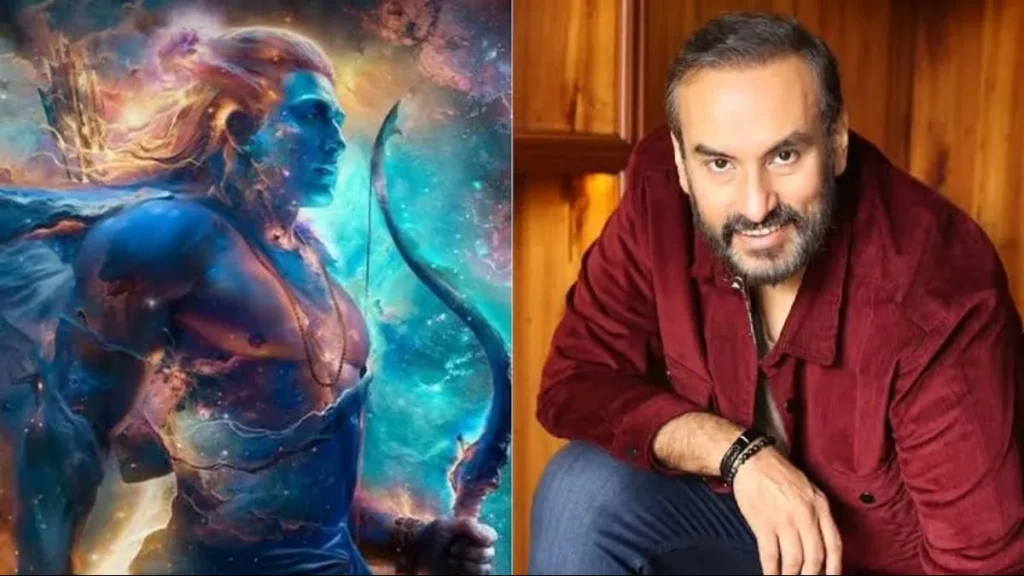
Producer Namit Malhotra has addressed the challenges of adapting the epic Ramayana for the big screen, stating that the project is being driven more by cultural intent than commercial considerations.
His remarks come amid ongoing discussions surrounding the teaser of Ramayana, which recently generated mixed reactions online. While some viewers raised concerns over visual effects and casting choices, others welcomed the scale and ambition of the project.

Speaking about balancing business expectations with religious sensitivity, Malhotra said that he is focusing less on the commercial side of the film and more on its cultural significance. He described the project as a “culture-first” initiative, emphasising its roots in Indian heritage.
Addressing concerns around faith and representation, the producer noted that religious subjects often come with heightened scrutiny. “There’s too much sensitivity” when it comes to religion, he said, pointing to the complexities involved in presenting such narratives on screen.
Malhotra added that Ramayana is not just a film but a foundational part of Indian culture, which people carry with pride and share globally. He indicated that this cultural responsibility guides the filmmaking process more than box office expectations.
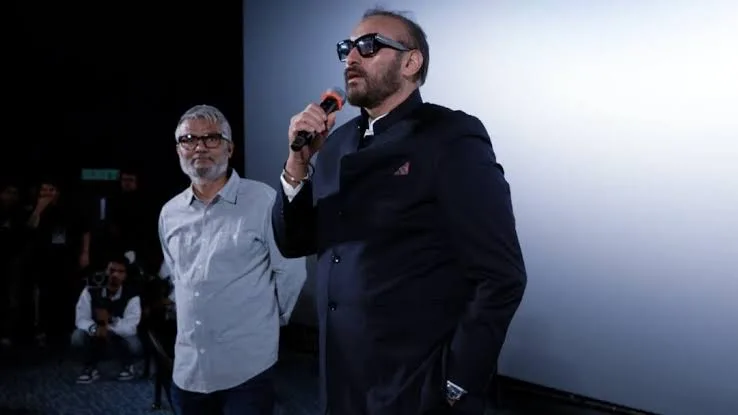
The film, directed by Nitesh Tiwari, is mounted on a large scale and is being developed as a two-part cinematic project. It stars Ranbir Kapoor as Lord Ram, alongside Sai Pallavi and Yash in key roles.

With an estimated budget of around ₹4,000 crore for both parts, Ramayana is among the most expensive Indian film projects to date. The scale of the production has contributed to heightened expectations, as well as intense public scrutiny following the teaser release.
The project has also been positioned as a global cinematic venture, with the makers aiming to present the story beyond Indian audiences. Earlier, Malhotra had emphasised the importance of showcasing the epic to the world, highlighting its universal cultural relevance.
Despite the online debate, the producer maintained that the intent is to celebrate and share a story deeply embedded in Indian tradition. He reiterated that the team is approaching the subject with care, keeping in mind its emotional and cultural significance.
The first part of Ramayana is scheduled for release during Diwali 2026, with the second instalment expected to follow in 2027.