
Surprising danger of painting over mould: Wellness experts warn covering up damp patches creates invisible health hazard – The Times of India
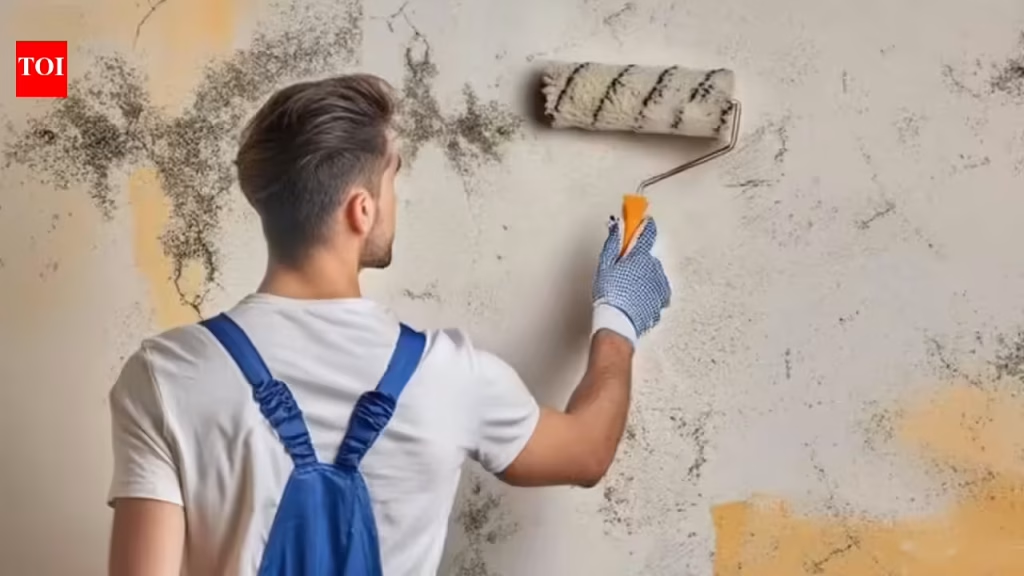
Spotted an unsightly damp patch on your wall? The temptation to grab a tin of white emulsion and paint over it is strong. It is quick and cheap and within an hour that stain has vanished. However, this common “quick fix” is one of the most dangerous mistakes homeowners make, according to experts.Far from solving the issue, painting over active mould creates a “paint-film petri dish” where harmful spores flourish invisibly while you breathe in toxic air.
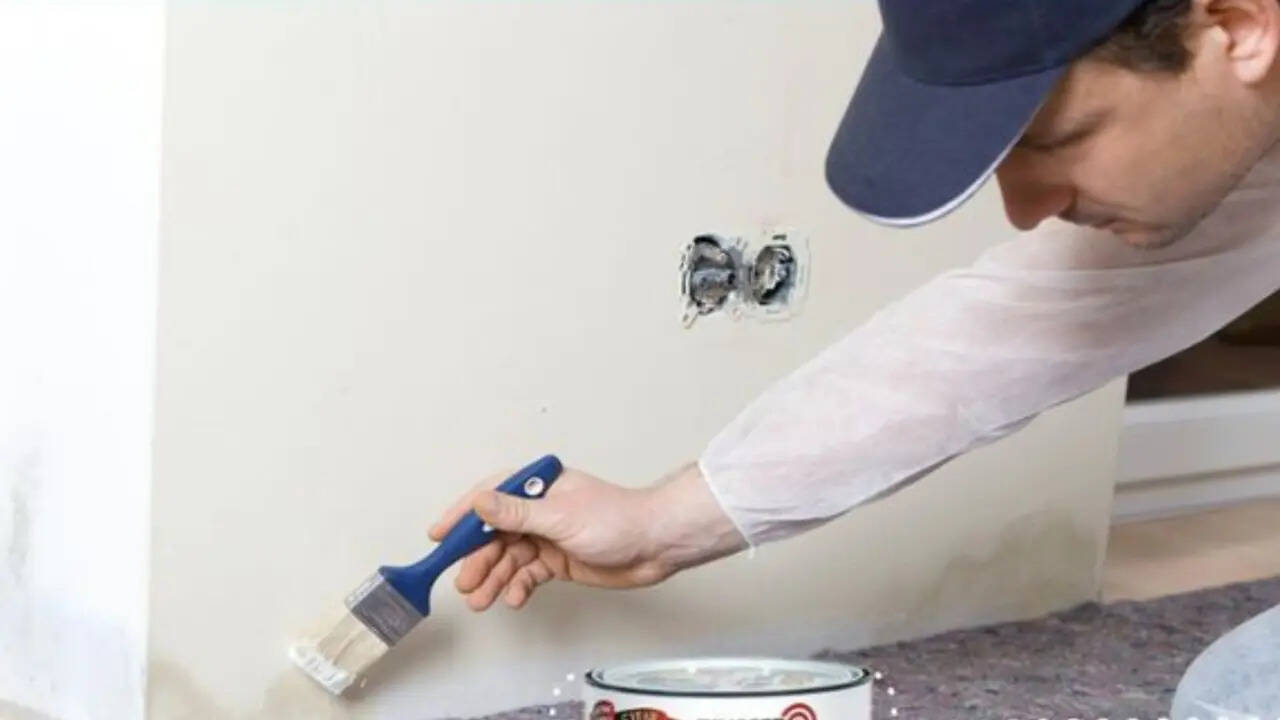
Home wellness expert reveals why painting over mould creates a ‘paint-film petri dish’ that allows spores to spread invisibly behind walls.
Read on as we explain why this decorating shortcut backfires and provides the correct protocol for dealing with damp safely.
The science behind the paint-film petri dish
- Lateral Spore Migration: When you paint over mould, you are not stopping its growth, you are simply blocking your view of it. Standard emulsion is water-based and breathable enough to let mould continue feeding on moisture trapped in the wall, but thick enough to hide the spreading growth. In an interview with the Times of India, Dr Eleni Nicolaou, a home
wellness expert at Davincified, a premium online platform offering custom paint-by-numbers kits, explained, “The mould doesn’t simply sit there dormant. It travels sideways behind the plaster, infecting a much larger surface area than the original visible patch. You might paint over a dinner-plate-sized stain, only to find months later that the mould has spread across an entire wall section behind your nice clean paint.” According to a recent 2026 study in the journal Indoor Air, researchers revealed, “Covering visible mould with paint or surface coatings does not eliminate fungal activity and may facilitate concealed growth behind treated surfaces.” It directly validates the claim that painting over mould does not stop it, it hides and can worsen it and supports the concept of “lateral spread” behindwalls . - The Moisture Trap: Paint acts as a
seal that prevents walls from breathing properly. This traps the originaldampness that caused the mould in the first place, creating exactly the high-humidity environment that allows spores to thrive. A 2026 Building and Environment, established, “Trapped moisture within wall assemblies creates optimal conditions for fungal growth, particularly when evaporation is restricted by surface treatments.” It confirms that trapped moisture accelerates mould growth with paint acting as a moisture seal that worsens the problem. “Think of it like putting cling film over a wet sponge,” Dr Nicolaou said. “The moisture has nowhere to go, so it just sits there, feeding the problem. Meanwhile, the wall can’t dry out naturally, which makes the situation progressively worse.” - The False Sense Of Security: The most dangerous aspect is the health risk. Just because you cannot see black spots does not mean you are not breathing in mycotoxins being released behind that “clean” white wall. “Families often tell me they feel unwell, with symptoms like headaches, respiratory issues, and fatigue, but can’t work out why,” said Dr Nicolaou. “Turns out they’ve painted over the visible mould, so they think the problem is solved. In reality, the air quality in their home is becoming increasingly toxic.” This is backed by a 2025 report in The Lancet Planetary Health, widely cited in 2026 public health research, which found that “Exposure to indoor mould, even when not visibly apparent, is associated with increased risk of respiratory symptoms, headaches and fatigue.” The study validates the claim that hidden mould still impacts health and supports warnings about “false sense of security” after painting over mould.
The correct solution to mould walls
So what should you do instead? Experts outline the proper protocol for tackling damp and mould safely –
- Identify The Moisture Source: Is it a leak or condensation? “You can paint over mould a hundred times but if you don’t fix what’s causing the dampness, you’re wasting your time and money,” Dr Nicolaou noted.
- Use A Biocidal Wash: Kill spores before decorating. “This step is non-negotiable. You need to treat the area with a proper fungicidal solution and let it dry completely,” revealed Dr Nicolaou.
- Choose Anti-Mould Breathable Paint: Dr Nicolaou asserted, “There’s a huge difference between standard ‘covering’ paint and anti-mould breathable coatings. Breathable paints allow moisture to escape while containing additives that prevent mould growth.”
The quality of our home environment has a direct impact on our physical and mental health, yet so many people are unknowingly living with toxic air because they’ve masked the problem rather than solving it. The 2026 World Health Organization Indoor Air Quality Guidelines, assert that dampness and mould should be eliminated at the source rather than covered, due to proven health risks.
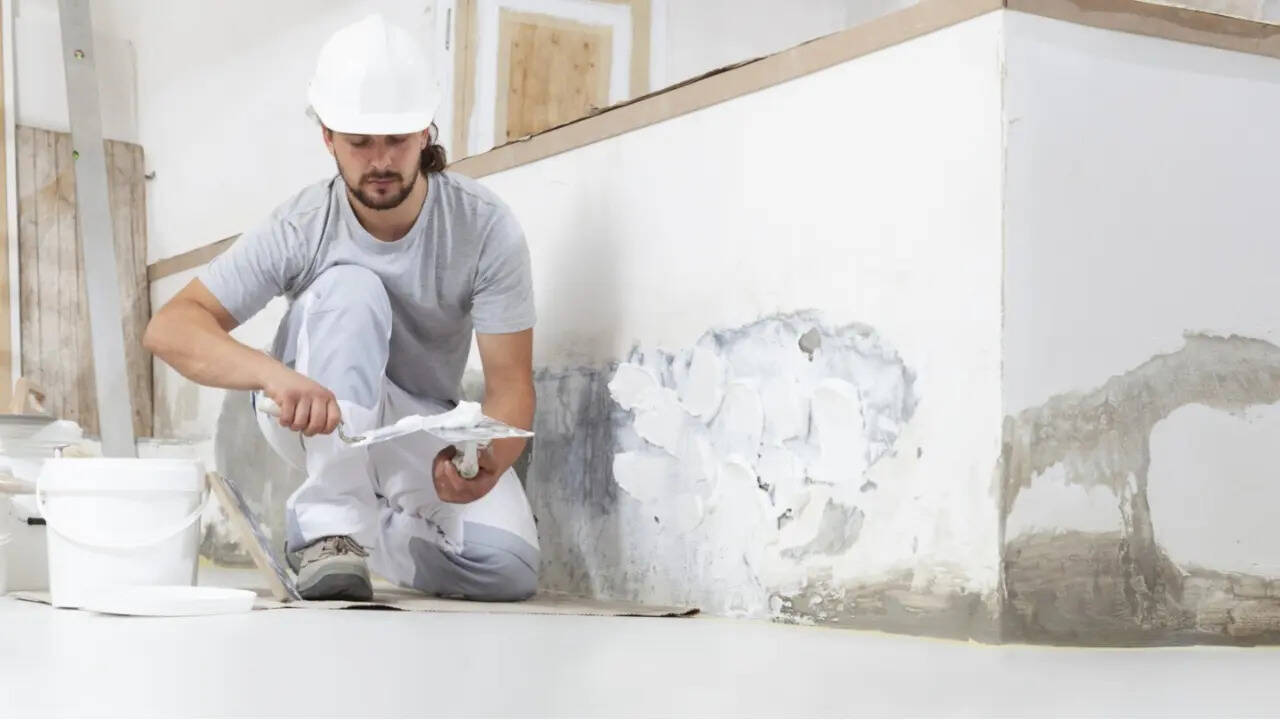
Dr Eleni Nicolaou warns that families continue breathing in harmful spores without realising the danger lurking behind fresh white walls.
Dr Eleni Nicolaou revealed, “I’ve worked with families who couldn’t understand why they felt constantly unwell – experiencing headaches, breathing difficulties and low energy. The common thread was always poor indoor air quality caused by hidden mould growth. Once they properly addressed the damp issues rather than covering them up, their health improved dramatically.”Don’t fall into the trap of thinking a fresh coat of paint is a solution. It is a temporary disguise that makes the problem worse and puts your health at risk.