
Sona Mohapatra Slams Badshah Over ‘Tateeree’ Row: ‘This Isn’t Creativity, It’s The Laziest Trope’ – Woman’s era Magazine
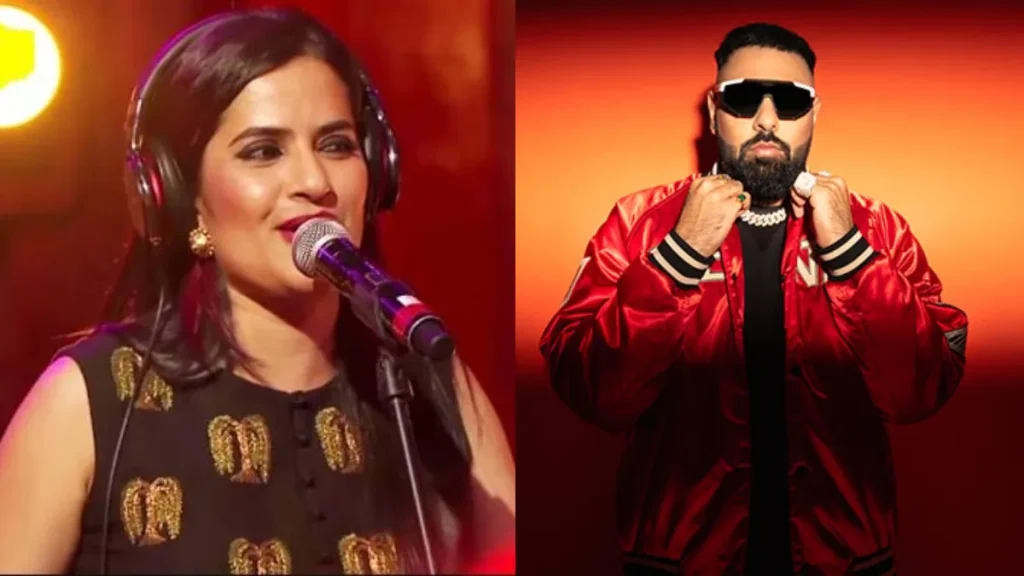
Singer Sona Mohapatra has strongly criticised rapper Badshah amid the controversy surrounding his Haryanvi song Tateeree, accusing the track of promoting misogynistic stereotypes and objectifying women. The singer took to social media to share a sharply worded post questioning the portrayal of masculinity and women in mainstream pop culture.
The controversy erupted after Tateeree faced widespread backlash for its allegedly explicit lyrics and visuals, which some critics argued were inappropriate and offensive. The song also attracted complaints and scrutiny from authorities, adding to the growing debate around the responsibilities of artists when producing widely consumed content.

Reacting to the issue, Mohapatra shared a detailed Instagram post in which she criticised what she described as a recurring pattern in pop music videos. According to her, such content often relies on outdated and problematic portrayals of women.
“Not the first time we’ve seen this template. A man puffing up his chest, flexing masculinity, objectifying women, and projecting himself as some irresistible hero while women exist merely to drool around him,” she wrote in her note. She added, “This isn’t creativity. It’s the laziest trope in pop culture.”

Mohapatra also criticised the use of young girls as visual props in music videos and urged creators to be more responsible about the cultural messages their work conveys. In her caption, she wrote that the trend reflects a deeper problem within popular culture and called for better role models to be portrayed in entertainment.
“Now young girls in uniforms as props… Stop with this brain & soul rot. Real men exist. The good. The honourable. The ones who show up and stand up. Let’s make them the heroes,” she wrote.
Taking a dig at Badshah’s apology over the controversy, Mohapatra said that simply calling oneself the “son of Haryana” was not enough to address the issue. She pointed out that the state already faces serious gender-related challenges and that artists must recognise the influence they have on public perception.

“And just calling yourself a ‘son of Haryana’ with a sad face doesn’t cut it. Haryana already battles some of the country’s worst gender ratios, violence against women and honour killings,” she wrote in the same post.

The singer also stressed that artists play a powerful role in shaping public imagination and should be mindful of the narratives they promote. According to her, creators can either challenge misogyny through their work or contribute to it.
“Cultural influence carries responsibility. Artists shape imagination. You can challenge misogyny or profit from it. Badshah and this lot, do better,” she added.
Mohapatra further criticised audiences who continue to support such content despite repeated controversies, urging listeners to be more conscious of the entertainment they consume.
Badshah had earlier responded to the backlash by issuing a public apology and clarifying that he had no intention of disrespecting women or children. The rapper later removed the controversial track from online platforms following the criticism.
