
Sapthami Gowda Calls Out Inappropriate Photography Of Female Actors, Demands Respect On Red Carpet – Woman’s era Magazine
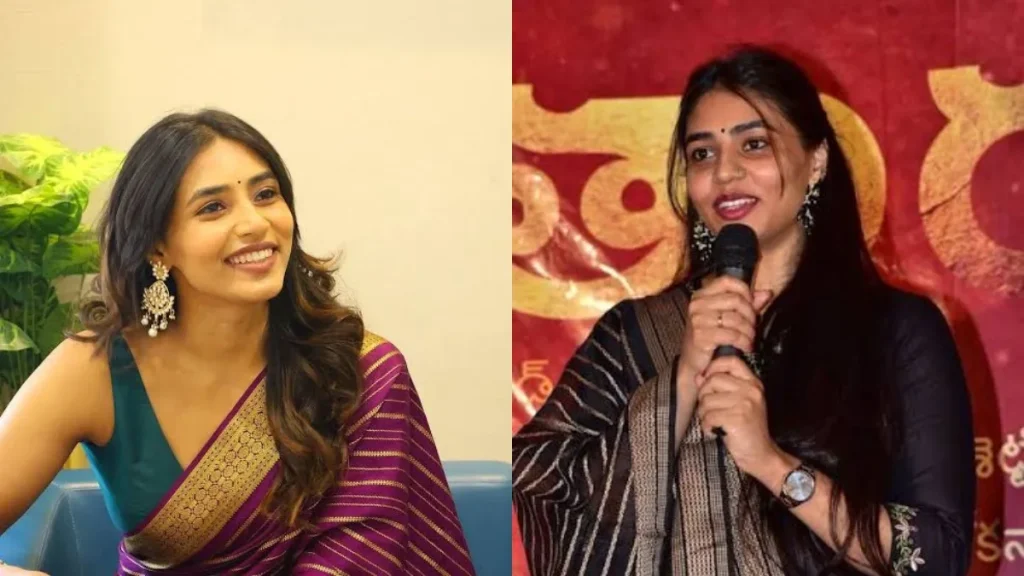
Actor Sapthami Gowda, known for her role in the hit film Kantara, has strongly criticised some photographers for repeatedly capturing female actors from inappropriate angles during public events and on red carpets. In a pointed statement on social media, the actor called out behaviour that she said objectifies women and contributes to a larger culture of disrespect toward female performers.
Sapthami’s comments came after several instances where photographers were seen focusing on sensitive areas of female celebrities’ bodies while taking pictures at industry events. The actor expressed frustration that such behaviour continues unchecked, even as public conversations around consent, respect and safe work environments gain prominence globally. She underlined that professional interactions between media and talent should always be conducted with basic courtesy and dignity.

In her message, Sapthami highlighted that female actors deserve respect not only for their work but also as individuals. “We stand in front of cameras to be photographed, but that does not mean any angle is acceptable,” she wrote, emphasising that professionalism should govern how pictures are taken. Her remarks struck a chord with many in the entertainment community, especially women who have faced similar issues during their careers.
The actor’s criticism reflects a broader conversation within the film industry about how media professionals engage with celebrities — particularly women. While celebrity photography has long been part of entertainment culture, concerns have grown about invasive behaviour by some photographers who prioritise sensational images over respectful coverage. Sapthami’s statement adds to ongoing calls from artists for clearer standards and etiquette when interacting with media personnel.

Support for Sapthami’s stance was visible on social media, with many fans and colleagues applauding her willingness to speak out. Several female actors shared their own experiences of uncomfortable situations with photographers, underlining that the problem is widespread rather than isolated. Users on platforms such as X and Instagram urged organisers and media outlets to establish guidelines that discourage inappropriate photography and protect performers.
Industry observers note that while photographers have the right to capture images of public figures, there is also an ethical responsibility to respect personal boundaries. This balance becomes especially important when events such as premieres, fashion shows, and award functions draw extensive media attention. In such settings, the presence of numerous photographers vying for exclusive shots can create pressure that sometimes results in insensitive behaviour.
Sapthami also called for collective action. She suggested that fellow actors, event organisers and industry bodies work together to ensure that media interactions are conducted in a respectful manner. “Respect is not negotiable,” she said, adding that normalising appropriate conduct will benefit everyone involved, including photographers who wish to be seen as professionals.

Her comments have prompted discussion about possible solutions, including codes of conduct for photographers and media training for event staff. Some industry insiders have suggested that red carpet protocols be revised to include clear expectations about angles, framing and consent, ensuring that all participants feel safe and dignified.
Organisers of recent events where Sapthami and other actors were photographed have not yet issued official responses to the criticism, but the topic remains a subject of active debate. If the pressure to address such concerns builds, media teams and photography associations might eventually adopt formal guidelines.
