
Why floor plan matters more than square footage in real estate – The Times of India
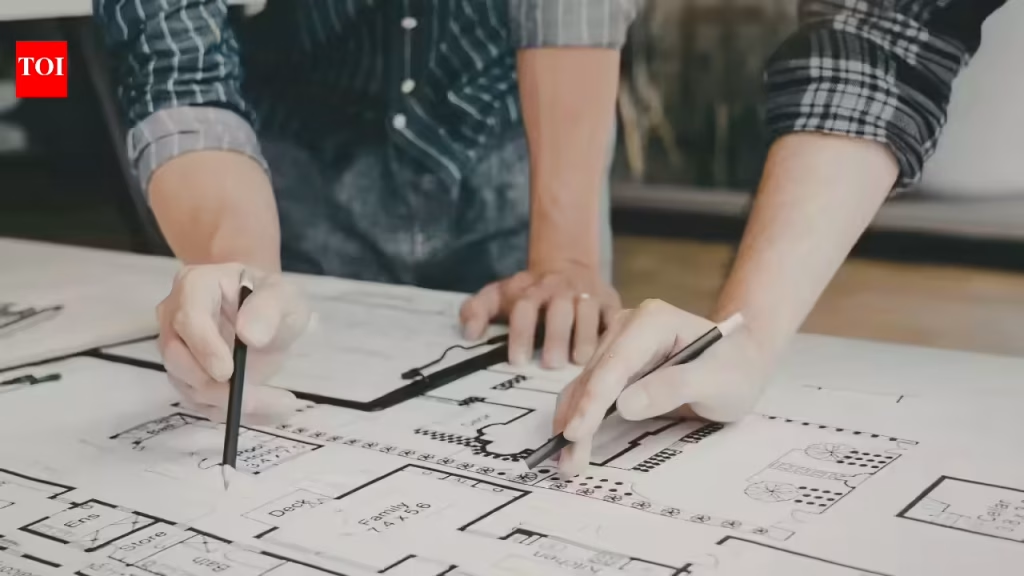
A property’s square footage once stood as the mark of a growing organisation, creating thousands of job opportunities or was a trendsetter in designing luxury homes but the notion has been significantly altered over the last decade. However, changing aspirations of individuals are bringing a sea change in property layouts with open workspaces or broken-concept home designs becoming the norm. This is also driven by factors such as the rise of hybrid models of work, focus on employee well being as well as to create larger living spaces for individuals’ evolving lifestyle. Industry reports suggest per employee personal space in offices across the country went down from around 225 square feet in 2009 to around 100-125 square feet in 2016 and has come down to 100 square feet currently. This in the backdrop of office space leasing over 1 lakh square feet accounting for 51% of all office deals in the first half of 2025, highlighting the growing prominence of open floor plans.For companies, this means cost saving, attracting and retaining talent, creating a high-performance environment while creating a social space for community building among employees. Global property consultant JLL in its report, The Future of Office Design”, Corporates are allocating half the amount of space per employee on their work floors as they did back in 2009 as they focus on bringing down real estate costs while gradually shifting from cabins to open offices and shared space concepts, thereby elevating floor space utilisation.
ANI
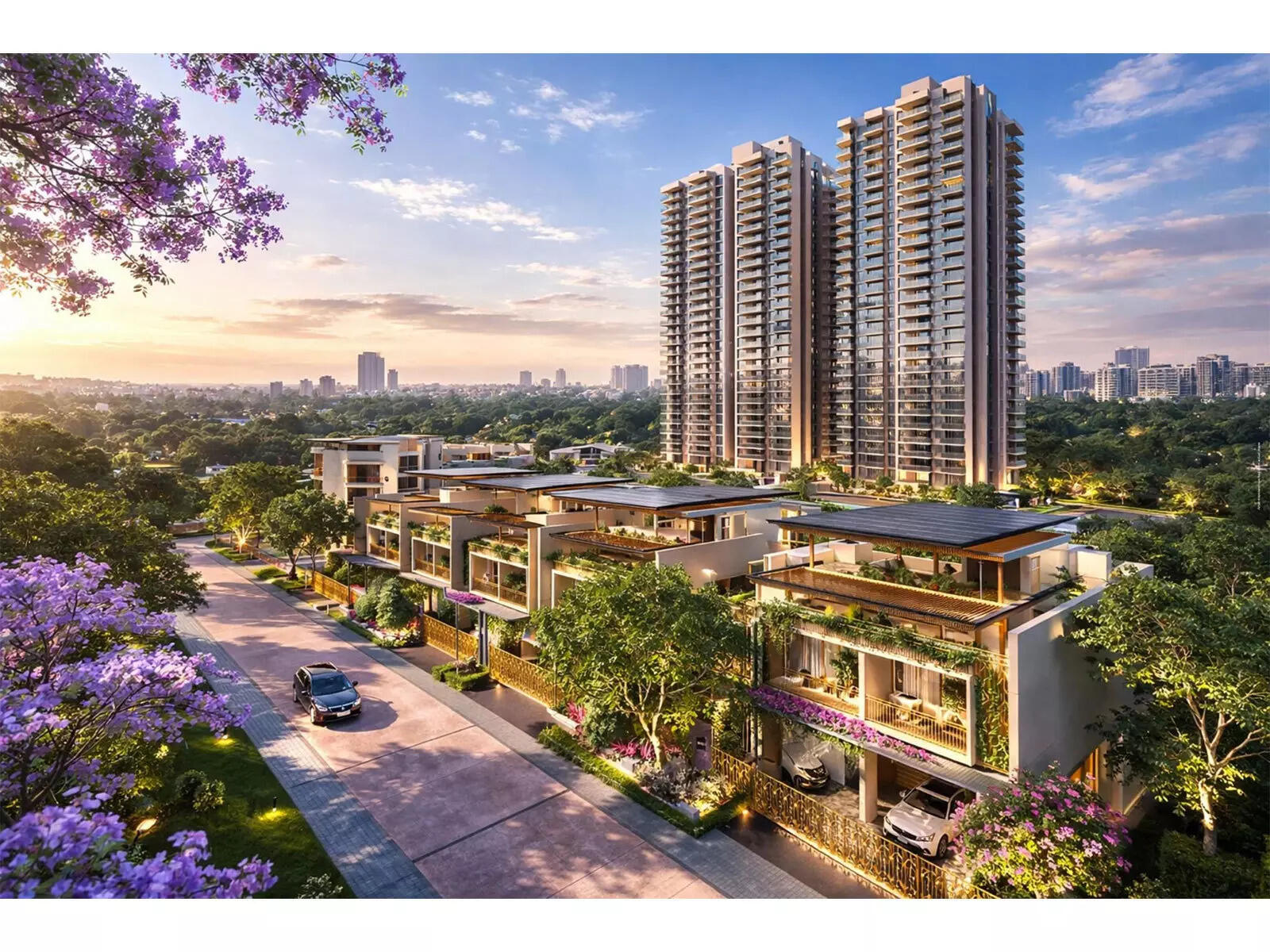
Similarly, developers are experimenting with various floorplan layouts in the residential space in order to create a differentiation and provide the feeling of luxury for a market which witnessed over 3.8 lakh launches last year. Aditya Chellaram, Executive Director at Featherlite Developers gives insights on the significance of floor plans over total area.In the 21st Century, the hunt for quality talent and their retention has further intensified as workplaces evolve from a playground for pure play execution to a breeding ground for nurturing ideas, fostering better employee relations while driving innovation. This leads us to the design of workspaces which plays a pivotal role in building a vibrant culture and understands the evolving needs of employees which have vastly changed since millennials and GenZ entered the workforce. With cubicles becoming a thing of the past, open-plan industrial styles, including exposed ceiling, hot desking, collaboration and focused zones (telephone booths) among others chart the new-age workspace with floor plans as its bedrock.This assumes significance as an array of activities take place in the office and are not simply restricted to isolated work, necessitating the need for the workplace design to look beyond planned collaboration spaces by taking into consideration how people interact, form social groups and share knowledge.Industry reports suggest that there is a huge spectrum of social spaces within workplaces, varying by scale, design, orientation and placement. Therefore, investment in workplace design and refurbishment should focus not just on formal collaboration spaces but consider a more holistic approach to understanding the social purpose and needs of a workforce, which will be specific to the organizational structure and business model. Investment in homes too with thoughtfully designed floor plan layouts also becomes essential to provide comfort as well as reflect the persona of the individual residing there. Today, Indian homes are undergoing a transformation with bold floor plans including open layout, split-bedrooms, to broken-concept designs, with the latter striking a fine balance between openness and definition, providing an airy feeling while maintaining a sense of comfort and purpose. A broken-concept design encourages a seamless connection between common spaces such as kitchen and living room, thereby eliminating noise, clutter, or a lack of privacy. This concept relies on thoughtful design elements with half walls and strategic furniture placement to segment one area from another.As we look forward to the next decade of workplace designs and home layouts, we are going to witness a lot of innovation in workplace design with Apple’s ring-shaped “spaceship” headquarters, prioritizing collaboration through open-plan offices, meeting rooms and floor-to-ceiling glass walls; Google’s Bay View campus, designed with a “village” concept, with the floor plans dividing the space between “team neighborhoods” for focused work and shared, amenity-focused areas such as cafes, lounges, and micro-kitchens as stellar examples. Similarly, comfort will be the key driver of changes to floor plan layouts in residential spaces as an increasing number of homebuyers move towards premium or luxury housing. These floor plan design trends are soon expected to trickle down to the larger industry, and adoption trends among occupiers and homebuyers are already visible. This tectonic shift in the industry will bring India’s real estate industry at par with its global counterparts and attract greater investments while spurring innovation in workplace and home design.