
Beyond National Girl Child Day: Are Menstrual Innovations Reaching Adolescent Girls In India?
As India celebrated National Girl Child Day on January 24, topics related to the safety, education, and nutrition of girls dominated the headlines, debates, and discussions on the credibility of such matters. However, the issue of menstrual health subtly impacts the lives of millions of young girls in the nation, where equality related to safe, cost-effective, and dignified menstrual hygiene materials remains a point of worry despite the rapid evolution of menstruation-related products and associated technology that has developed in the nation in the last decade alone.
India has witnessed a boom in innovation related to menstruation in recent times. One can now find sustainability and empowerment in all aspects of menstruation, from sanitary pads and cups to smartphone apps. Adolescent girls who should be the primary focus of any innovation related to menstruation are the ones living in rural and low-income areas of India, but often they are the most negelected ones and such innovations mostly prioritise the metropolitan girls.
Menstrual Health as a Public Health Issue
Menstrual health is not merely a matter of hygiene or comfort. Medical experts emphasise that unsafe menstrual practices can lead to infections, reproductive health complications, and long-term health risks. For adolescent girls, the impact extends further, affecting school attendance, self-esteem, and participation in everyday life. “Menstrual health is deeply linked to girls’ education and well-being,” says a gynaecologist. “When girls lack access to safe products, clean toilets, or accurate information, menstruation becomes a barrier rather than a biological process.”
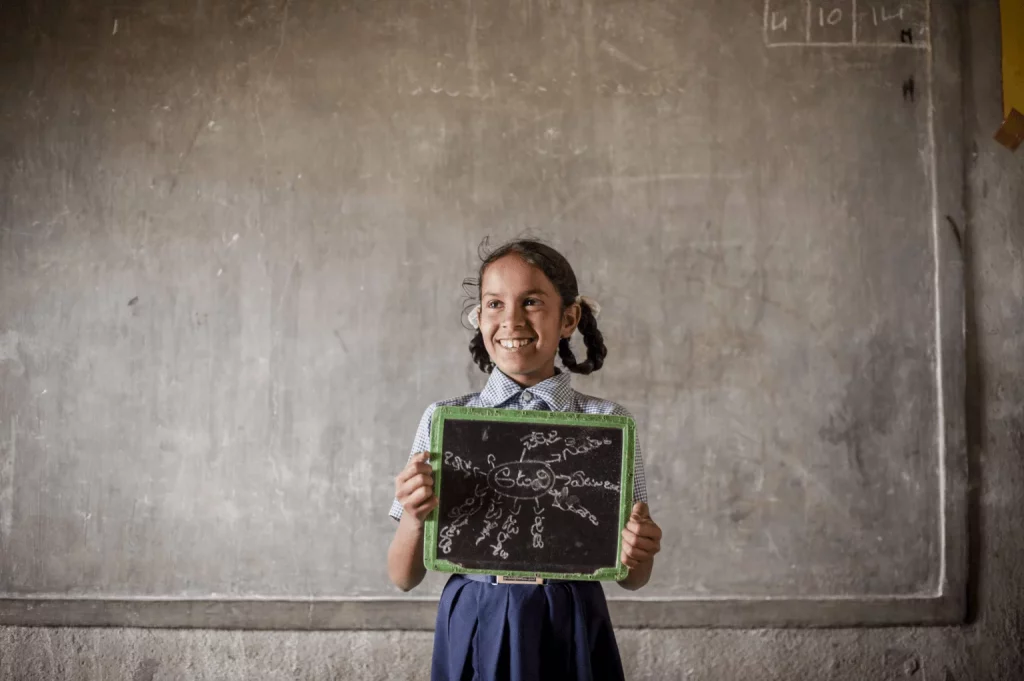
Government surveys have consistently shown that a significant number of girls miss school during their periods, especially in government and rural schools. According to a survey conducted by NGO Dasra, nearly 23 million girls drop out of school annually due to a lack of proper menstrual hygiene management. The reasons range from a lack of sanitary products to inadequate water and sanitation facilities and deeply entrenched stigma surrounding menstruation.
Innovation Without Inclusion?
The menstrual hygiene market in India has expanded quickly, mostly due to private businesses and social enterprises. Menstrual cups, reusable cloth pads, and biodegradable substitutes are being marketed more and more as economical and eco-friendly options. Period-tracking applications promise to improve users’ comprehension of their bodies and cycles.
The menstrual hygiene market in India has expanded quickly, mostly due to private businesses and social enterprises. Menstrual cups, reusable cloth pads, and biodegradable substitutes are being marketed more and more as economical and eco-friendly options.
Access to these breakthroughs is still restricted, though. According to a gender studies expert, “the majority of menstrual technologies are designed with urban women in mind.” “Teenage girls are rarely the focus, especially those without smartphones, privacy, or digital literacy.”
Even simple sanitary pads are either unavailable or too expensive for many girls. The distribution of subsidised goods is the result, which in some countries is implemented in a consistent way, while in others, it varies significantly in the districts or states.
The Environmental Cost of Periods
Thousands of tonnes of menstrual waste, the greater percentage of which comprises sanitary pads made of plastic material, which take thousands of years to decompose, form the majority of the menstrual waste. Sanitary pads usually end up in landfills, sewers, or other areas due to poor management.
Sustainable menstruation aids, according to environmental scientists, could significantly ease this burden. Yet the untapped environmental potential of menstruation tech will remain unexploited until all people benefit from its availability.
“Promoting sustainability without affordability or cultural acceptability is ineffective. Sustainability needs to be both environmental and social.” This is what a member of the DPS Eco-club has said about the matter.
Policy, Programmes, and Gaps
In some areas, access has improved thanks to government initiatives like ‘The Khushi Scheme’ in Odisha that provides free sanitary pads to female students in the state and the ‘She Pad’ initiative in Kerala, distributing menstrual products and providing free awareness sessions and hygiene training under adolescent health programmes. Through schools and community health professionals, these programmes seek to distribute sanitary items and raise awareness.
However, experts note that distribution is insufficient on its own. Menstrual health education is often limited to biology, without addressing stigma or practical challenges. Safe spaces are necessary for girls to ask questions and make educated decisions. Additionally, there is little interaction with boys and men, which perpetuates the notion that menstruation is a “women’s issue” rather than a public health one. Also, experts say that there is a need to rethink innovation for menstrual needs from an unbiased perspective, as the National Girl Child Day recognises the girls’ rights and potential. This includes designing products to suit teenage body types, making the product accessible through its price, providing a budget for education on this product, and investing in education facilities.
Some projects have successfully enhanced adolescent females’ adoption and utilisation of low-cost items by integrating them with local manufacture and community activities. According to a worker from the RutuChakra NGO, “technology alone cannot dismantle stigma.” “However, innovation can be transformative when combined with education and dignity.”After National Girl Child Day, there is still a chance to consider the advancements and flaws in protecting the rights and welfare of girls. Menstrual technology is still developing, but how many girls can securely, confidently, and shamelessly control their periods is a better indicator of success than the quantity of items introduced.
Innovation won’t be complete unless menstrual health is addressed as a fundamental public health and education concern. Access to respectable menstruation care is not a luxury for Indian girls; rather, it is a need that influences both their present and future.