
Delhi Surgeon Warns Against Overuse Of Painkillers, Says ‘Your Liver Has Its Limits’ – Woman’s era Magazine
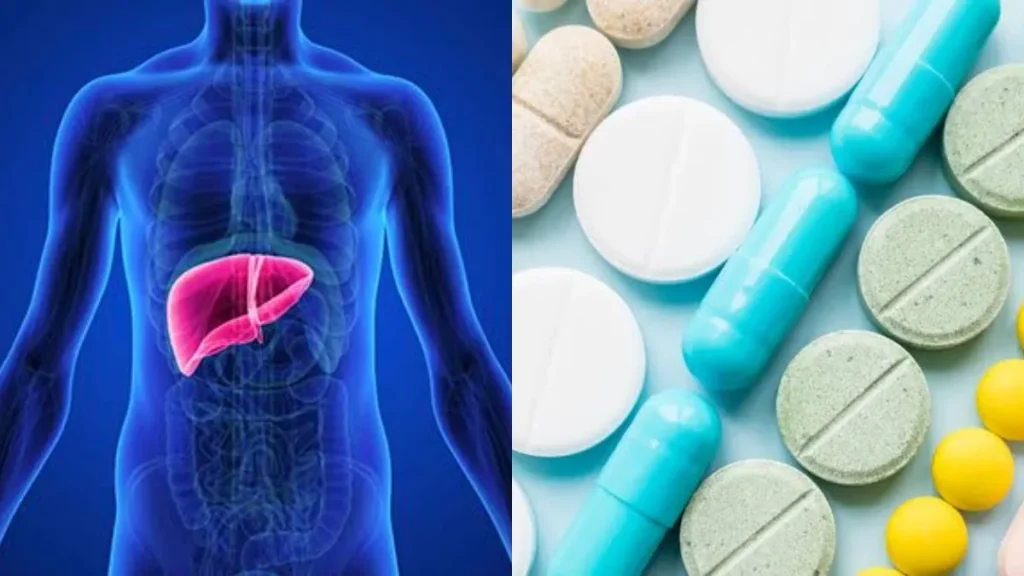
A Delhi-based liver transplant surgeon has cautioned against the frequent and unsupervised use of common painkillers, warning that even widely used over-the-counter medicines can pose serious risks to liver health if misused.
Dr Puneet Singla, speaking about the growing trend of self-medication, highlighted that the easy availability of pain relief drugs has led many people to consume them without proper medical guidance. He noted that while such medicines offer quick relief from headaches, fever and body pain, excessive or incorrect use can overwhelm the liver.

Explaining the concern, Dr Singla said the liver plays a crucial role in processing everything the body consumes, including medications. Acting as a natural filter, it breaks down chemicals and removes toxins. However, he stressed that this system has its limits and can be pushed beyond capacity when exposed to repeated or excessive drug intake.
The doctor identified three major factors that increase the risk of liver damage. These include incorrect dosing, such as taking more than the recommended amount; high frequency of use, where medicines are consumed too often without giving the body time to recover; and unsafe combinations of drugs that may interact negatively during metabolism.
“When the liver is overburdened, its ability to process drugs slows down,” he explained, adding that this can lead to a build-up of harmful substances in the body. Over time, such accumulation may result in toxicity and serious health complications.

Dr Singla specifically flagged the risks associated with commonly used painkillers such as paracetamol and ibuprofen. These medications are generally considered safe when taken as prescribed, but misuse can lead to drug-induced liver injury (DILI), a condition that can range from mild inflammation to severe liver failure.
He also pointed out that accidental overdosing is not uncommon. Many people unknowingly consume multiple medicines containing the same ingredient, such as combining cold and flu medications with painkillers, thereby exceeding safe dosage limits.
Another concern raised was the simultaneous use of alcohol and medication, which can further strain the liver and increase the risk of damage. In addition, the surgeon warned against assuming that herbal or “natural” remedies are always safe, noting that certain supplements can also harm the liver or interact adversely with other drugs.

Beyond direct toxicity, Dr Singla highlighted that self-medication can mask underlying health conditions. By treating symptoms without identifying the root cause, individuals may delay proper diagnosis and treatment, potentially allowing diseases to progress unnoticed.
To reduce risks, he advised individuals to strictly follow prescribed dosages, avoid mixing medications without consulting a doctor, and seek professional guidance before using drugs for extended periods. He emphasised that even commonly available medicines should be used responsibly.
The warning comes amid rising concerns among medical professionals about the long-term impact of habitual painkiller use. Experts have noted that while these medicines provide effective short-term relief, their misuse can silently damage vital organs over time.
Dr Singla underscored that the liver often works without showing immediate symptoms of distress, making early damage difficult to detect. “Your liver works silently to protect you, but it has its limits,” he said, urging greater awareness and caution.