
‘Dhurandhar 2’ Faces Legal Heat: Trimurti Films Moves Court Over ‘Oye Oye’ Song Use – Woman’s era Magazine
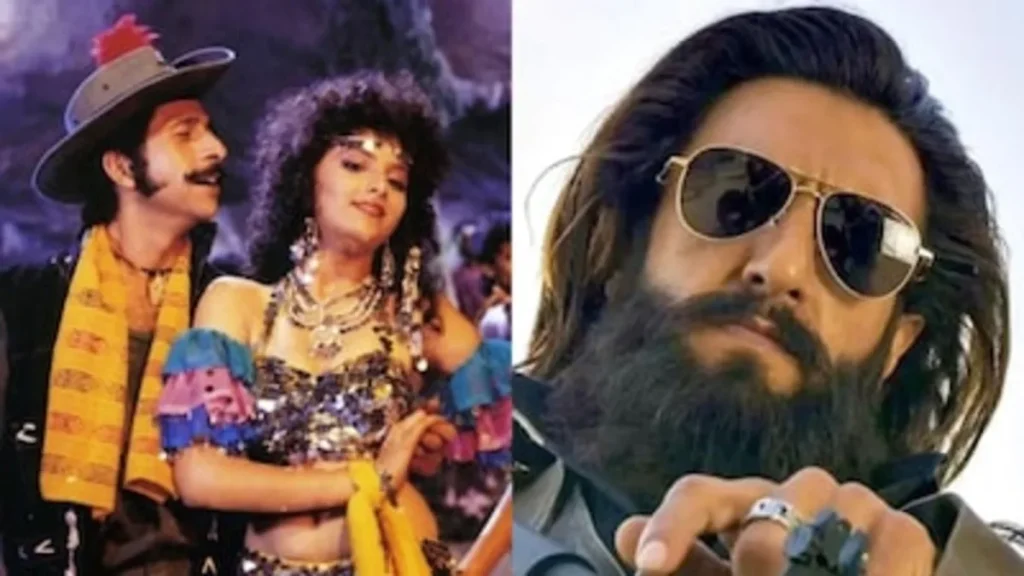
The blockbuster success of Dhurandhar: The Revenge has hit a legal hurdle, with production house Trimurti Films filing a lawsuit against filmmaker Aditya Dhar’s banner B62 Studios over the alleged unauthorised use of the iconic “Oye Oye” track.
The dispute centres on the film’s song Rang De Lal (Oye Oye), which is said to draw heavily from the original track featured in the 1989 film Tridev. Trimurti Films has claimed that the song, or a substantially similar version of it, was used in the film without obtaining the necessary licences or permissions.
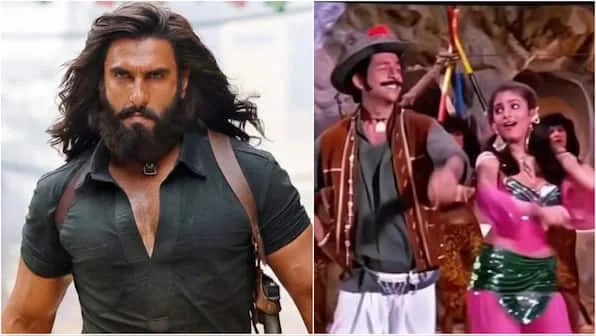
According to the plea, Trimurti Films has asserted ownership and control over the rights to both the musical composition and the sound recording. The company has alleged that the use of the track amounts to copyright infringement, including unauthorised reproduction and public communication of the work.
The lawsuit seeks multiple forms of legal relief, including an injunction to restrain further use of the song across platforms. It also raises concerns over the commercial exploitation of the track in theatrical screenings, promotional material and digital streaming, where the film has been widely distributed.
The original “Oye Oye” song, composed by Kalyanji–Anandji with Viju Shah and written by Anand Bakshi, remains a well-known track from Tridev, performed by Amit Kumar and Sapna Mukherjee. The alleged similarities between the original and the version used in Dhurandhar 2 have formed the core of the legal dispute.
Responding to the development, legal representatives for the filmmakers stated that the matter has already been heard in court. The Delhi High Court has not granted any interim injunction on the song’s use so far and has instead referred the parties to mediation. The next round of mediation is scheduled for April 22, with further hearings expected in May.

Despite the legal challenge, Dhurandhar: The Revenge continues its strong run at the box office. The film has crossed significant milestones domestically and internationally, emerging as one of the highest-grossing Hindi films of the year.

The controversy adds to a series of discussions around the use of retro music in contemporary cinema, particularly in cases where old songs are remixed, sampled or reinterpreted. The film’s soundtrack notably incorporates multiple classic tracks, reworked to fit its narrative style.